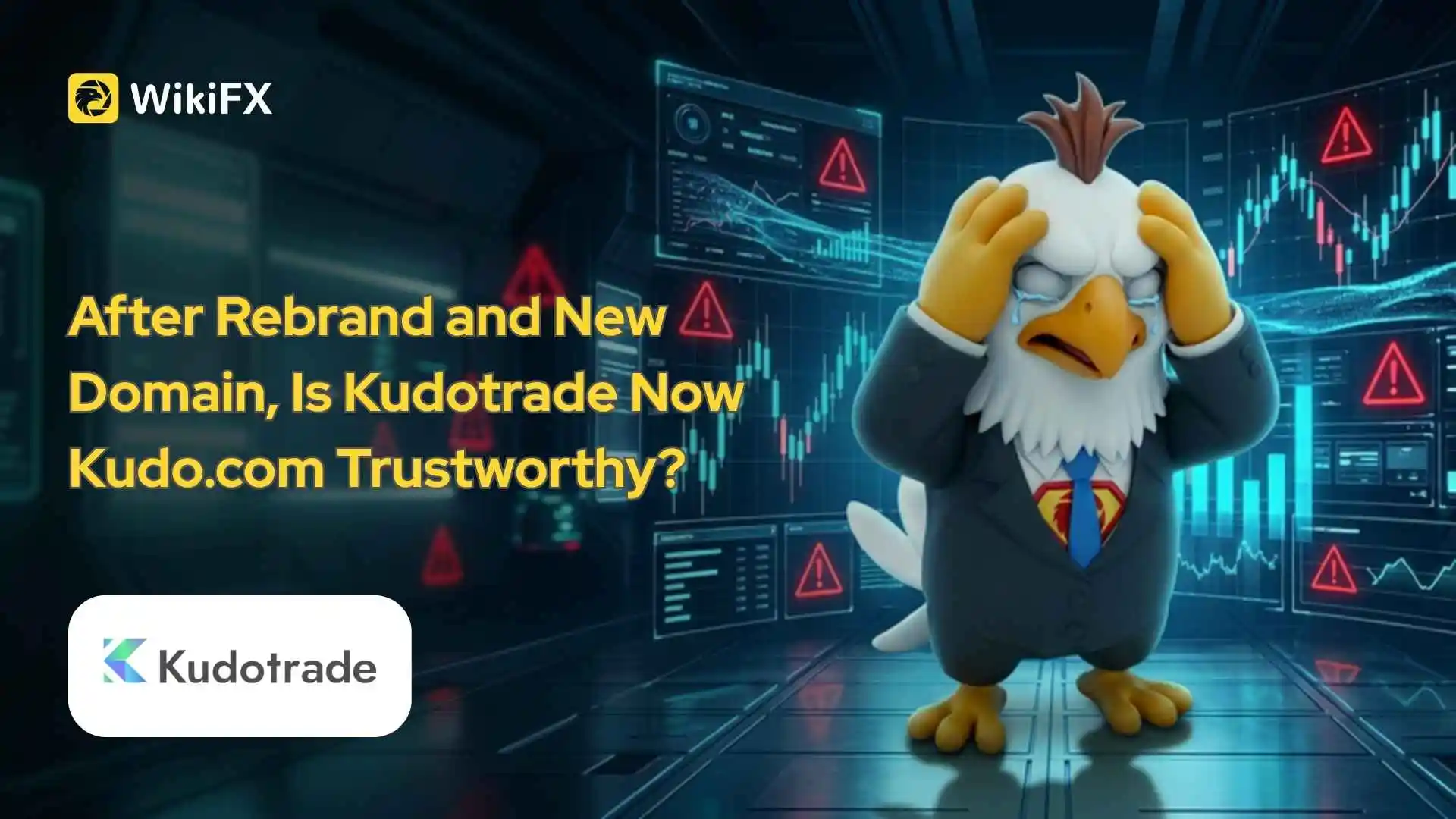
Abstract:WikiFX data shows that TRADE OPTICAL operates without a financial licence and lacks verified trading infrastructure, prompting regulatory actions and access restrictions.
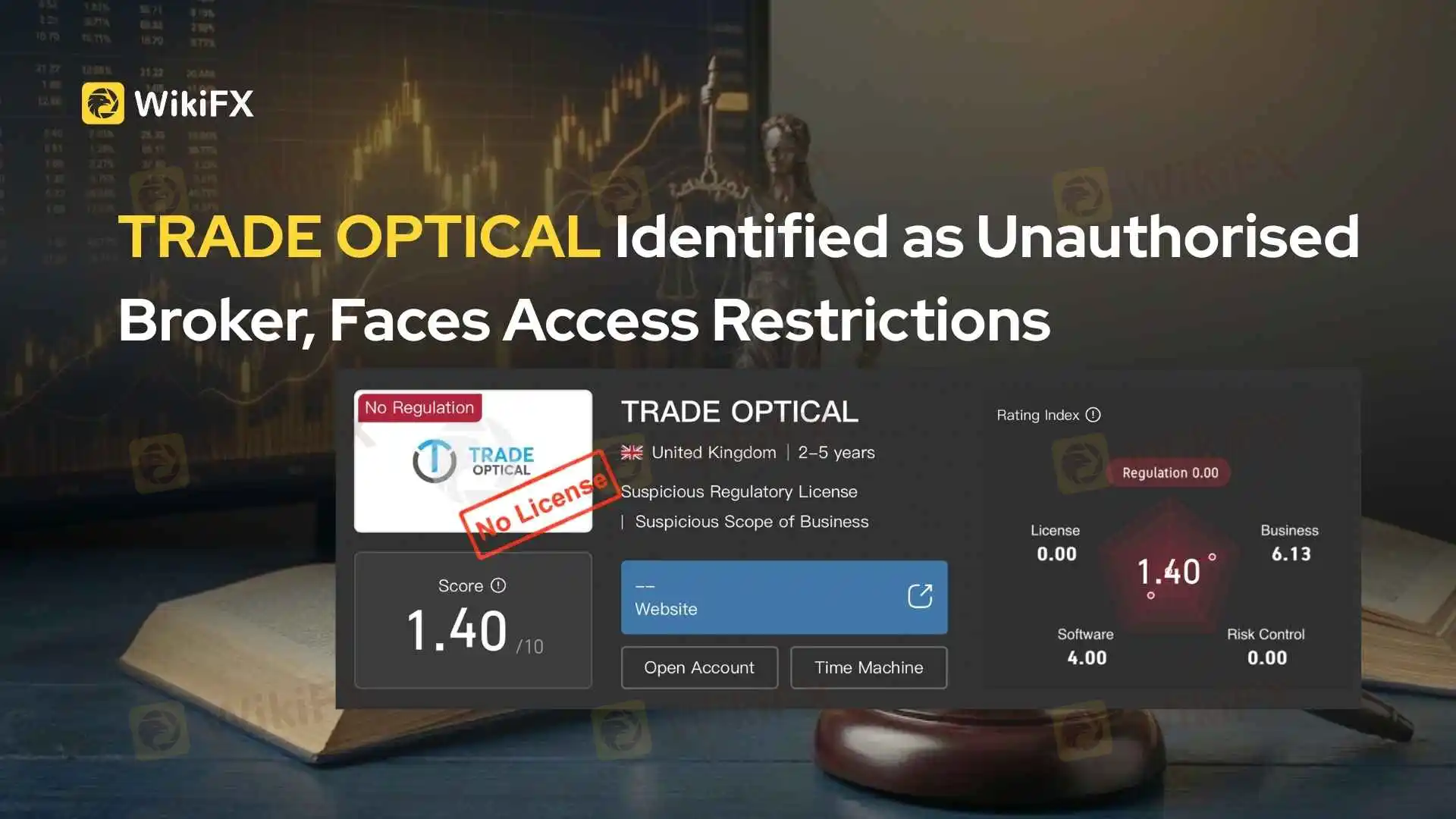
TRADE OPTICAL, a trading platform associated with the United Kingdom and operating for an estimated period of two to five years, has recently come under regulatory and industry scrutiny. Publicly available records indicate that the platform does not hold any recognised financial licence and has been flagged for operating outside established regulatory frameworks.
Score and Regulatory Overview
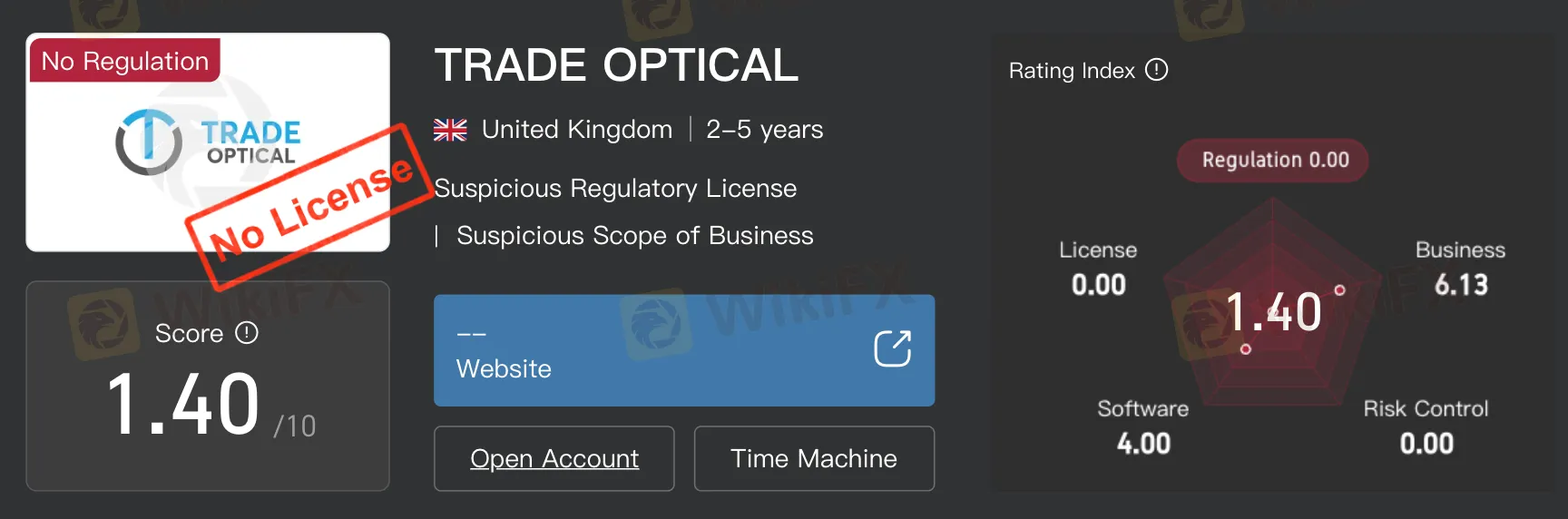
According to data published by WikiFX, TRADE OPTICAL currently holds a score of 1.40 out of 10. This low rating reflects multiple concerns identified across core evaluation dimensions, including regulatory status, risk control, and operational transparency.
The platform is explicitly marked as “No Regulation”, with additional indicators pointing to a suspicious regulatory licence claim and an unclear scope of business. These factors suggest that TRADE OPTICAL is not authorised by any recognised financial regulator to provide forex or investment services.
WikiFX data further shows that TRADE OPTICAL does not have any verified trading software in operation. For legitimate brokers, regulated trading software is a foundational requirement, as it enables order execution, pricing transparency, and auditability. The absence of such infrastructure raises questions about how transactions are processed and whether genuine market access exists at all.
Unauthorised Status and Regulatory Measures
Beyond platform-level assessments, TRADE OPTICAL has also been classified as an unauthorised website by regulatory authorities. Investigations concluded that the platform was offering investment-related services without the required legal approval, placing it outside the regulated financial system.
As a result, authorities have taken steps to order the restriction of access to the TRADE OPTICAL website within certain jurisdictions. Such measures are typically applied when a platform is deemed to present potential risks to the public or operates without compliance with local financial laws.

Website blocking orders are intended to limit further exposure by preventing new users from accessing unlicensed services. While technical enforcement may vary by region and internet service provider, the issuance of an access restriction order itself signals a high level of regulatory concern.
Summary of Key Findings
Based on information from WikiFX and regulatory disclosures:
- TRADE OPTICAL does not hold a valid financial licence
- No verified trading software is associated with the platform
- WikiFX rating stands at 1.40/10
- The platform has been identified as an unauthorised entity
- Regulatory authorities have ordered restrictions on website access
The Role of Independent Information Sources
Cases such as TRADE OPTICAL illustrate why independent verification has become increasingly important in todays online trading environment. Professionally designed websites and broad marketing claims can no longer be relied upon as indicators of legitimacy.
Platforms like WikiFX aggregate regulatory data, licence records, operational details, and publicly available disclosures across multiple jurisdictions. This consolidated approach allows users to better understand whether a broker is authorised, what infrastructure it operates, and how it is positioned from a regulatory standpoint.
While independent databases are not a substitute for personal due diligence, access to transparent and centralised information can help market participants form a clearer picture of platforms like TRADE OPTICAL before making any engagement decisions.