

Global Broker Regulation Inquiry App
About WikiFX
English
简体中文
繁體中文
English
Pусский
日本語
ภาษาไทย
Tiếng Việt
Bahasa Indonesia
Español
हिन्दी
Filippiiniläinen
Français
Deutsch
Português
Türkçe
한국어
العربية
اردو


Power Trading Review 2026: Is this Forex Broker Legit or a Scam?

WikiFX
|


Abstract:Power Trading is a high-risk broker with a low WikiFX Score of 2.11 and an unverified regulatory status in Australia. Numerous user reports cite severe issues such as denied withdrawals, account deletion, and unexplained profit deductions.
Executive Summary: Power Trading holds a WikiFX Score of 2.11, indicating a high-risk trading environment. With an “Unverified” regulatory status and over 30 complaints regarding blocked withdrawals and deleted accounts in recent months, we strongly advise extreme caution.
Introduction
Finding a trustworthy trading partner can be stressful, especially when new companies appear with promising offers. Before you find a broker that suits your needs, it is crucial to look beyond the marketing and examine the hard data. In this Power Trading review, we analyze the safety, costs, and feedback associated with this firm. Currently, Power Trading holds a WikiFX Score of just 2.11 out of 10, a rating that typically signals potential danger for your capital.
Question 1: Regulation & Safety: Is my money safe?
When entrusting your funds to a financial institution, regulation is your primary shield. Power Trading claims to be headquartered in Australia and formed in 2021. However, according to the WikiFX database, their claim to be regulated by the Australia Securities & Investment Commission (ASIC) is currently Unverified.
What does “Unverified” mean for you?
Normally, an ASIC license ensures that a broker keeps client funds in segregated accounts—meaning the company cannot use your money for its own operational expenses. Because Power Trading's regulation status is considered invalid or unverified, you face significant Counterparty Risk. This means if the broker goes bankrupt or decides to close its doors, there may be no government oversight or insurance policy to help you recover your funds. Essentially, you are trusting the company's goodwill rather than a legal framework.
Question 2: Are the trading fees and leverage fair?
Power Trading offers two main account types: ECN and STP.
- ECN Account: Requires a high entry of $5,000 but offers raw spreads starting from 0.0 pips.
- STP Account: Accessible with $100, featuring spreads from 1.2 pips.
While the raw spreads on the ECN account might look attractive for lowering Forex trading costs, you must consider the trade environment grade. WikiFX rates their trade environment as a D (Poor), specifically noting a C-grade for slippage.
The Risk of Poor Slippage
Slippage occurs when the price you click is not the price you get. In a “Poor” environment, your order might fill at a much worse price than expected, effectively increasing your trading costs far beyond the advertised spread. High leverage combined with poor execution is a double-edged sword: it can amplify your losses just as fast as your gains, often wiping out accounts in volatile markets.
Question 3: What are real traders complaining about?
Unfortunately, the feedback for Power Trading is alarming. The WikiFX database has logged over 30 complaints in just the last three months. Here is a summary of the issues verified in the `casesText`:
- Withdrawal Failures: Users from Hong Kong, China, and the USA repeatedly report that withdrawals are ignored for months. One user noted, “Contacted customer service for two months with no response.”
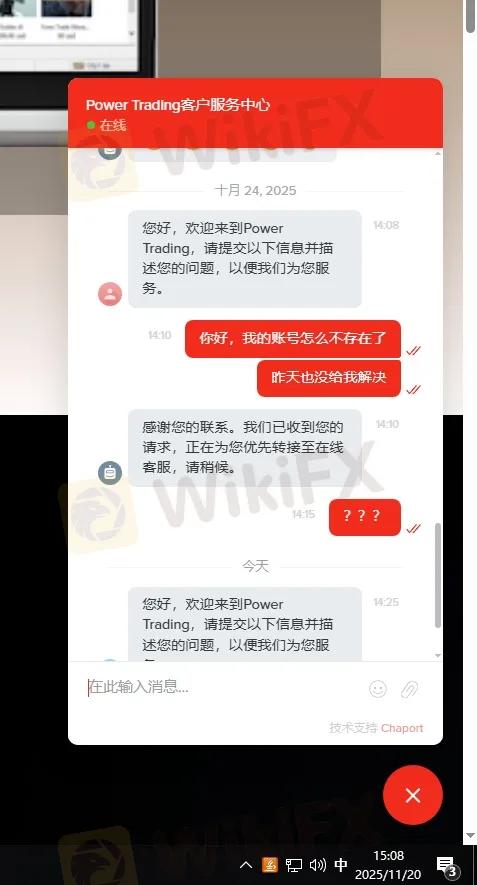
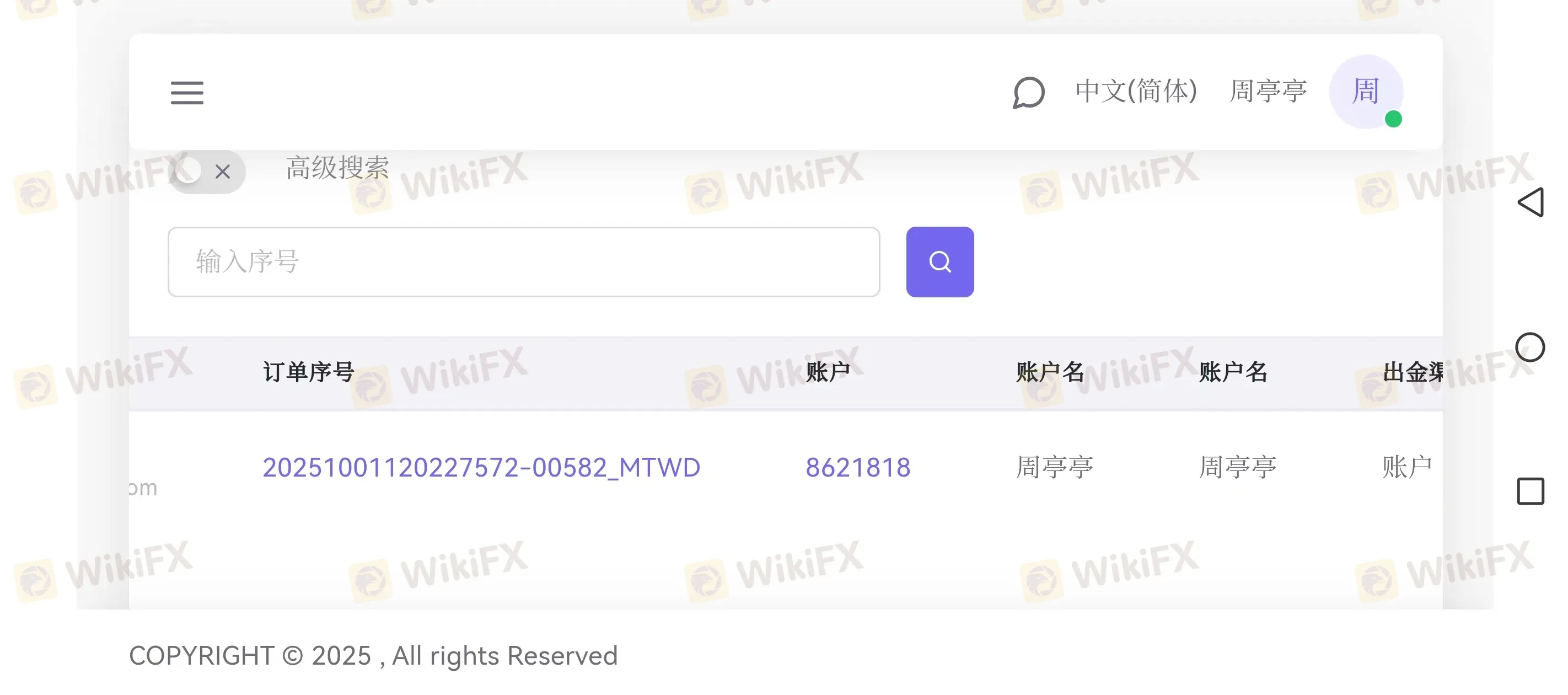
- Account Deletion: Multiple cases mention that after requesting a withdrawal or making a profit, the users backend access was deleted, or the account was marked as “Invalid.”
- Profit Deductions: A trader dedicated to Forex reported, “The platform forced a change to my password and then cancelled my account,” effectively confiscating profits. Another user noted their profits were erased under the pretense of “violation” without evidence.
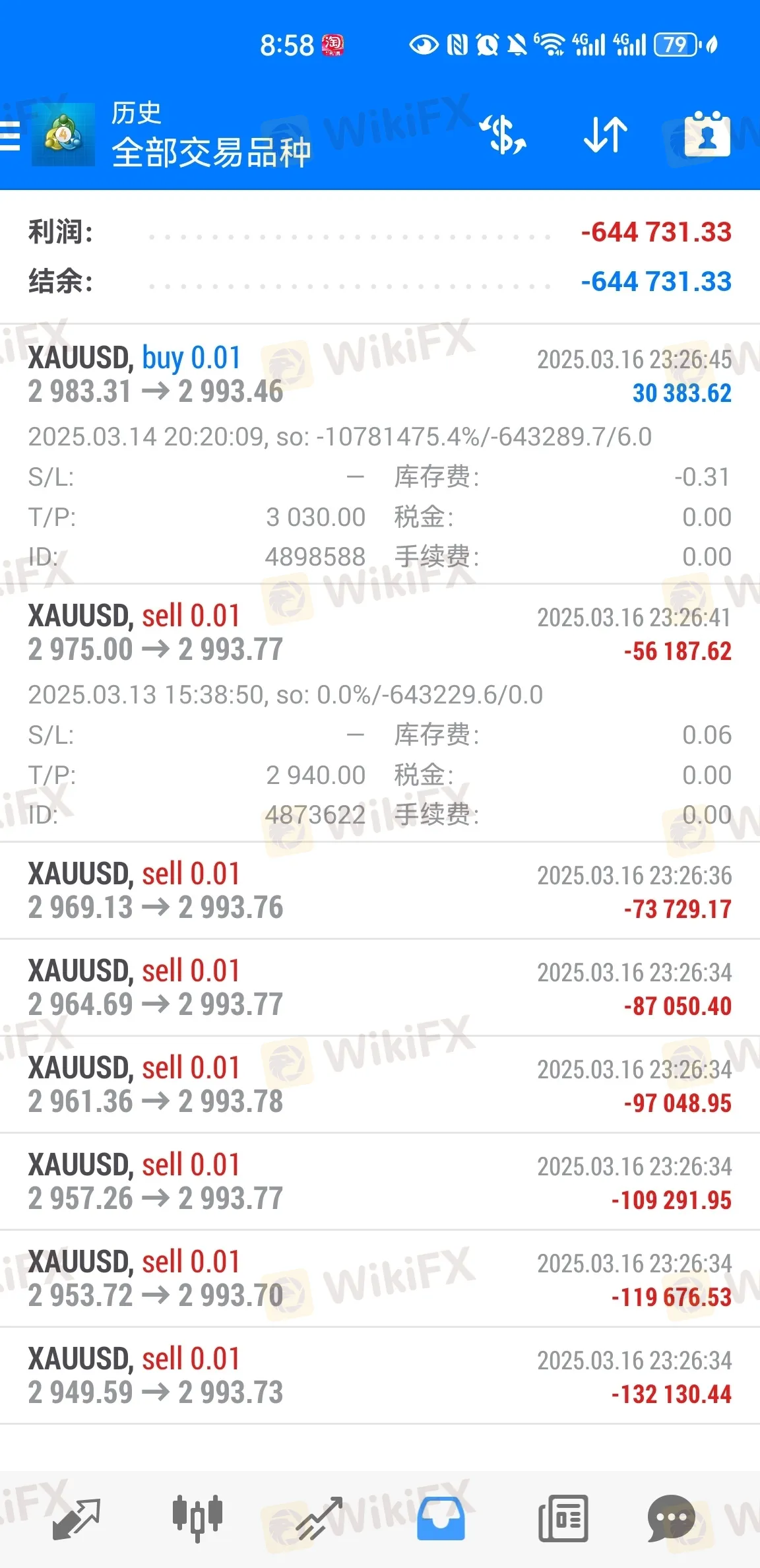
- Abnormal Losses: One shocking case involved a 0.01 lot short position showing a loss of over $132,000—a mathematical impossibility in normal markets, suggesting severe system errors or manipulation.
> Pro Tip: If a broker ever deletes your transaction history or disables your account immediately after a withdrawal request, this is a classic warning sign of a “runaway” scam. Legitimate brokers will never delete your login access while funds remain in the account.
Question 4: What software will I use?
Power Trading utilizes the MetaTrader 4 (MT4) platform. While MT4 is the industry standard known for its robust charting and automated trading capabilities, the software itself is only as safe as the broker managing it.
Security and Login Risks
Several complaints explicitly stated, “Backstage cannot be opened” or “Account invalid” when attempting to access the platform. This highlights a critical risk: valid credentials do not matter if the broker disables the server connection on their end.
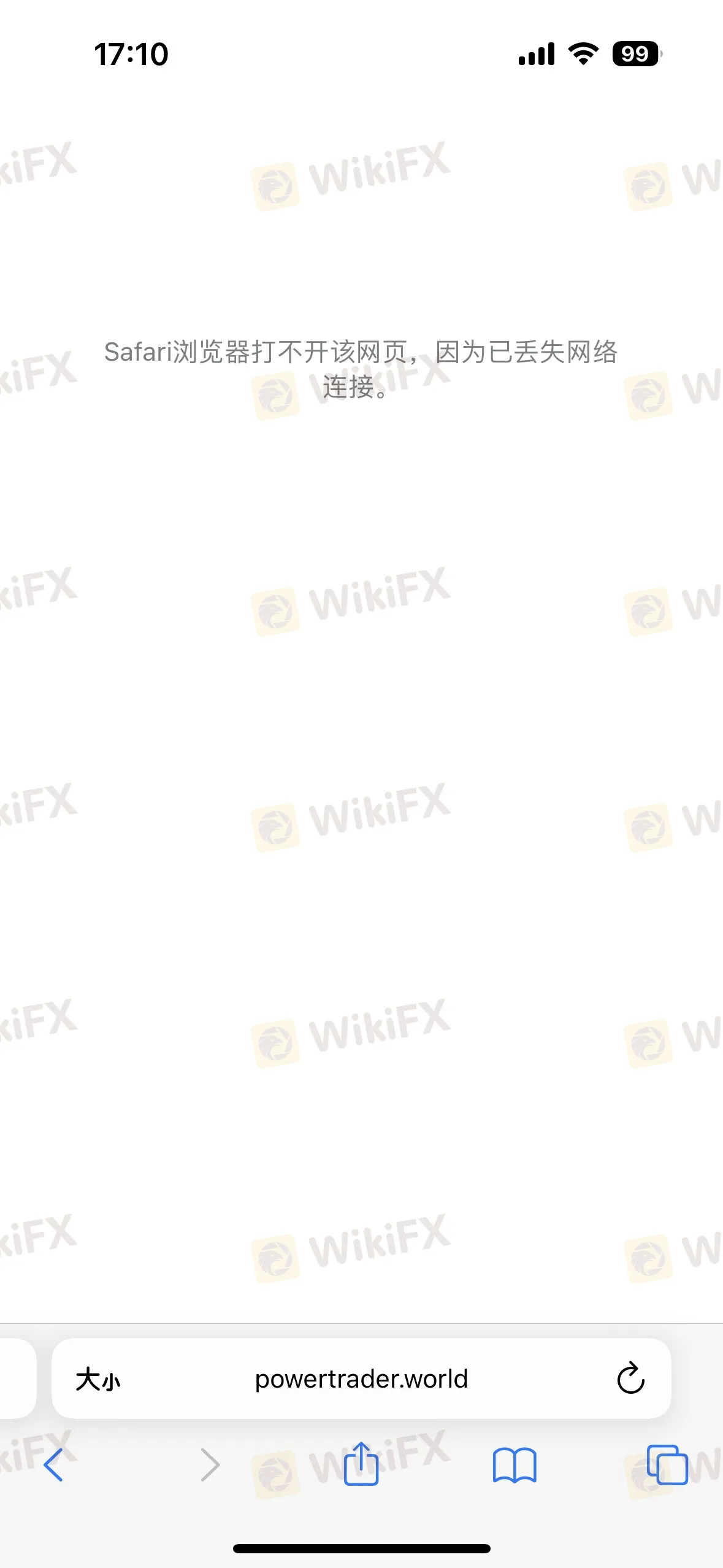
Furthermore, regarding security, you should always ensure you are on the official site before entering your login details to avoid phishing, although in this case, the risk seems to come from the broker itself rather than external hackers. WikiFX also notes the platform lacks two-factor authentication (2FA), making your login less secure compared to modern standards.
Final Verdict: Should I open an account?
Based on the live data and the surge of recent complaints, we strongly advise against opening an account with Power Trading.
The combination of an unverified regulatory license, a “D” grade trading environment, and dozens of reports concerning blocked withdrawals and deleted accounts suggests an imminent risk to your capital. There are significantly safer, regulated options available in the market.
Status changes daily. Before depositing, check the WikiFX App for the latest real-time certificate and updates on this broker.
Disclaimer:
The views in this article only represent the author's personal views, and do not constitute investment advice on this platform. This platform does not guarantee the accuracy, completeness and timeliness of the information in the article, and will not be liable for any loss caused by the use of or reliance on the information in the article.
