

Global Broker Regulation Inquiry App
About WikiFX
English
简体中文
繁體中文
English
Pусский
日本語
ภาษาไทย
Tiếng Việt
Bahasa Indonesia
Español
हिन्दी
Filippiiniläinen
Français
Deutsch
Português
Türkçe
한국어
العربية
اردو


Fed Minutes Reveal Deep Rift as USD Bears Eye Further Declines

WikiFX
|


Abstract:Federal Reserve minutes reveal a divided committee regarding the December rate cut, highlighting tensions between stabilizing the labor market and controlling inflation, as the US Dollar suffers its worst annual decline since 2017.
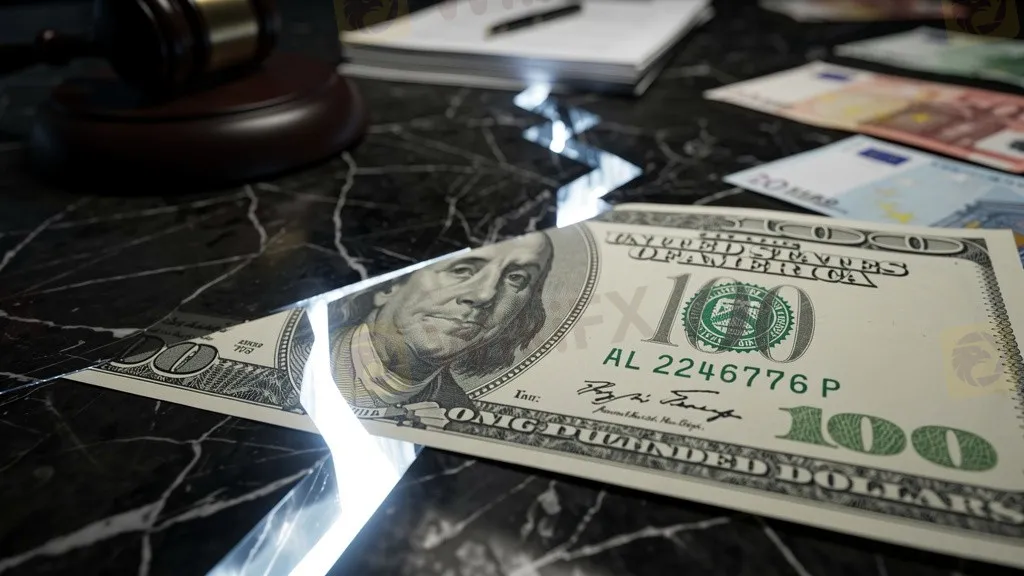
The release of the Federal Reserves December meeting minutes has exposed significant fissures within the FOMC, complicating the outlook for the US Dollar (USD) as it enters 2026. While the central bank opted for a 25-basis point cut to a target range of 3.50%-3.75%, the decision was characterized as a “finely balanced” move, with a historic number of dissents and internal skepticism regarding the urgency of further easing.
A Fragile Consensus
The minutes highlight a central bank caught in a policy dilemma. Proponents of the rate cut cited deterioration in the labor market—specifically slowing payroll gains and unticking unemployment—as the primary trigger for “risk management” easing. Conversely, a hawkish minority, including six officials who disagreed with the economic projections supporting the cut, argued that inflation remains uncomfortably sticky and has stalled above the 2% target.
The divergence suggests that the “Fed Put” is not unconditional. The minutes indicate that future cuts are highly data-dependent, with several members advocating for a pause to assess the inflation trajectory. This lack of unity challenges the market's aggressive pricing of aggressive easing in early 2026.
Liquidity Management in Focus
Beyond interest rates, the Fed announced a technical shift in its balance sheet management. The central bank will initiate purchases of short-term Treasury bills—estimated at around $200 billion over the next 12 months—to manage reserve balances. While officials stressed this is a technical liquidity provision and not “Quantitative Easing,” markets interpret it as a liquidity injection that could cap short-term yields, further weighing on the greenback.
The 'Trump 2.0' Dollar Discount
The Fed's internal struggle arrives against the backdrop of a structural repricing of the US Dollar. Under the first year of the “Trump 2.0” administration, the USD index has plummeted nearly 9.5%, marking its worst performance since 2017.
Market participants are navigating a complex environment where fiscal expansion (tariffs and deficits) collides with monetary uncertainty. The Euro (EUR) has been the primary beneficiary, surging nearly 14% against the dollar to breach the 1.1700 level.
The path of least resistance for the USD appears lower, particularly if incoming data validates the Fed's labor market concerns. However, the internal resistance to cuts suggests the descent will be volatile, with the divergence between the Fed and the ECB—where Christine Lagarde remains hawkish—driving EUR/USD flows.
Disclaimer:
The views in this article only represent the author's personal views, and do not constitute investment advice on this platform. This platform does not guarantee the accuracy, completeness and timeliness of the information in the article, and will not be liable for any loss caused by the use of or reliance on the information in the article.
WikiFX Broker
Latest News
Plus500 Joins Bahamas Forex and CFD Industry Association
WikiFXTenTrade Review 2026: Complaints, Withdrawals, and Risk Signals
WikiFXadmiral Review 2026: Clone Warnings, Withheld Profits, and Withdrawal Risks
WikiFXMalaysian Doctor Loses RM558,000 to Forex-Crypto Scam
WikiFXReview 2026: GFS Withdrawal Complaints, Regulation Gaps, and Broker Risk Signals
WikiFXReview 2026: XORKETS FX Withdrawal Complaints and Unregulated Risk
WikiFXStoneX Agrees to Acquire Brazil FX Bank Banco Travelex
WikiFXVG Markets Review: A Real FSCA Licence, But Why Only a 4.47 Score?
WikiFXGold Climbs Toward $4,400 as September Fed Hike Odds Tumble
WikiFXTriumphFX Review: Revoked Licence and TFX Token Losses Warrant Caution
WikiFX