Abstract:As the Russia-Ukraine conflict approaches its third year, international attention to the situation has intensified. The U.S. government is actively seeking a solution to end the conflict.
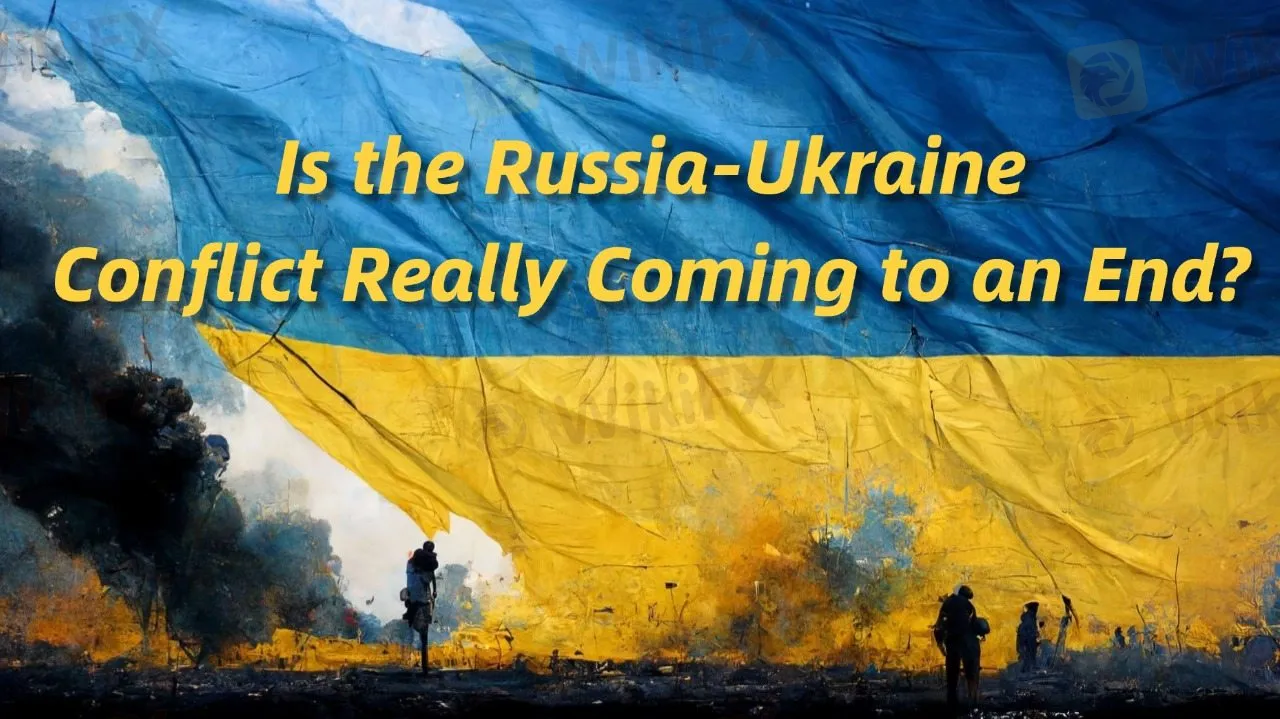
According to reports, the U.S. plans to present a proposal at the Munich Security Conference in Germany next week aimed at ending the Russia-Ukraine conflict. The plan may include freezing the current conflict, leaving the territories controlled by Russian troops in a state of limbo, while providing security guarantees to Ukraine to ensure Russia does not launch another attack.
However, there is division within the U.S. government on how to end the conflict. Trump's administration is split into two camps. On one hand, National Security Advisor Robert O'Brien and U.S. Special Envoy for Ukraine Keith Kellogg advocate for using America's influence to force Russian President Vladimir Putin to make concessions and reach a peace agreement. On the other hand, some in Trump's government suggest reducing aid to Ukraine, believing that this would force Ukraine to accept peace talks more quickly. This proposal has sparked widespread controversy, with critics arguing that it effectively disarms Ukraine and forces it to surrender to Russia.
During his campaign, Trump repeatedly stated that he could quickly end the Russia-Ukraine conflict once in office. However, as the situation has evolved, he has come to realize that the process of ending the war may be far more complex and lengthy than he initially anticipated. In this context, Trump has publicly stated that if Putin does not engage in negotiations, the U.S. may impose more sanctions and tariffs on Russia. Nevertheless, due to the significant decoupling of the U.S. and Russian economies, the pressure that Trump can exert on Russia through tariffs is likely to be limited.
Despite the U.S. government's efforts to pressure Russia through political and economic means, ending the conflict remains a significant challenge. First, existing international sanctions have placed immense pressure on Russia's economy, but the sanctions that the U.S. can still impose are quite limited. Additionally, the sharp decline in trade means that Trump's tariff threats against Russia are losing effectiveness, and with the U.S. and Russian economies almost fully decoupled, America's economic leverage over Russia has been greatly diminished.
Both Russia and Ukraine have shown some willingness to negotiate regarding the future of the conflict. Ukrainian President Zelensky recently indicated that he does not rule out the possibility of dialogue with Putin, while Russia has also expressed its willingness to engage in talks under certain conditions. However, significant obstacles remain, including issues of legitimacy surrounding Zelensky, which complicate the process. Meanwhile, Russia continues to insist on certain conditions before further discussions can take place.
Given the complexity of the Russia-Ukraine conflict, the international community and all involved parties must adopt a more flexible and pragmatic approach. The U.S. role is crucial, and whether the proposed plan to freeze the conflict can be implemented will depend on the responses and actions of all parties involved.