Abstract:Australians targeted by 2025 scams involving fake myGov, Medicare, and Centrelink calls. Learn to recognize red flags and protect your personal information.
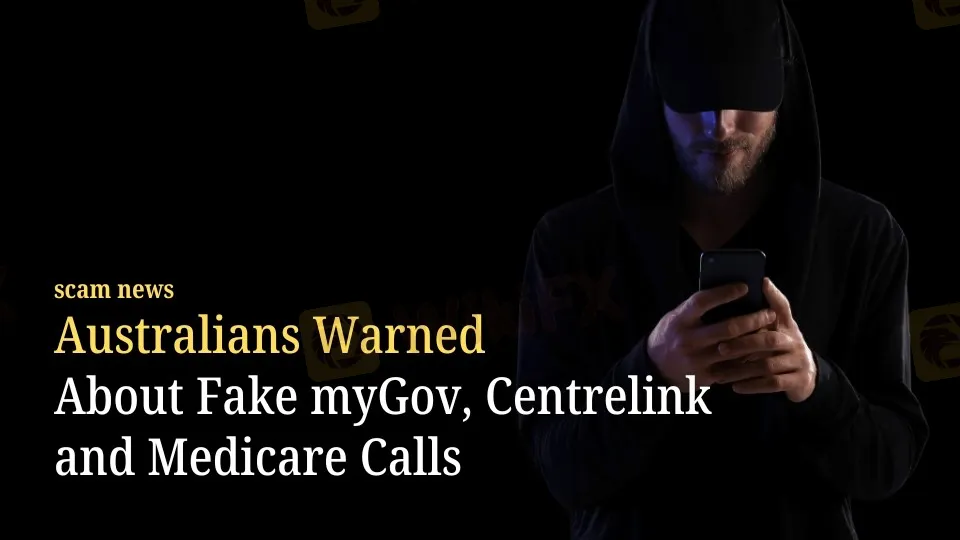
In 2025, Australia will experience a boom in scams as fraudsters imitate trusted organizations such as myGov, Medicare, and Centrelink. These scams are growing increasingly complex, as they target consumers via seemingly legal phone calls, text messages, and emails. With Australians losing over $292 million to scammers last year, the public is reminded to be cautious to avoid falling victim.
Deceptive techniques take advantage of vulnerabilities in a digital age when government encounters are frequently conducted online or over the phone. As fraudsters improve their tactics, Australians find it more difficult to discern between legal messages and fraudulent efforts.
How a Scam Call Works
One Melbourne homeowner described their unnerving experience of receiving an unwanted phone call from someone purporting to be from Services Australia. The caller sought personal information to establish their identification, which is common in many legitimate government encounters. However, the person prudently declined to reveal vital information, prompting the caller to quickly disconnect and say they would send a letter instead.
Two days later, the individual got a text message that included a link to a website claiming to be Services Australia. However, the link was obviously false, with misspellings like “services Australia” and the use of a “.online” domain instead of “.gov.au.” While the link between the call and text message remains unknown, the episode shows the rising difficulties in separating scammers from legitimate efforts.
Official Response from Services Australia
Hank Jongen, Services Australia's general manager, underlined the necessity of exercising caution when dealing with unwanted calls or messages. While Services Australia may contact from personal numbers, they will never:
1. Over the phone, request critical myGov login information like passwords or PINs.
2. Include hyperlinks in text messages or emails.
3. Individuals may be threatened with fines, arrest warrants, or imprisonment.
4. Demand urgent payment or financial details.
If in doubt, users are recommended to terminate the call and check its legality by calling Services Australia directly using the phone numbers indicated on their website.

Divided Reactions Among Australians
Australians are still split regarding the propriety of surprise phone calls. Some of these calls turned out to be actual follow-ups on government services. One person described receiving a call that they originally mistook for a scam but later discovered was authentic after the caller revealed particular data about their situation.
However, the lack of a uniform system for determining the validity of government calls has left many Australians irritated and skeptical. To prevent uncertainty, several individuals have urged that Services Australia create more explicit standards, such as previous SMS alerts or secure caller IDs.
Recognizing Red Flags in Communication
Services Australia has listed some warning signs that are frequently associated with scams to assist Australians in protecting themselves. These are:
1. Unfamiliar URLs: In fraudulent links, scammers typically utilize domains like “.online” rather than “.gov.au”.
2. Pressure Tactics: Scammers frequently create an air of urgency, demanding urgent action or money.
3. Mobile caller IDs: Services Australia will not display viewable mobile phone numbers or caller IDs.
4. Generic Messages: Pre-recorded messages that prompt you to dial a number to connect are most likely frauds.
Australians can better recognize and prevent fraud if they remember to look for these indicators.
Tips to Stay Safe
Protecting oneself from fraud involves a combination of alertness and proactive steps.
1. Always check the veracity of a call by contacting the official organization.
2. Avoid clicking on links in unsolicited texts or emails.
3. Enable notifications in your Services Australia account settings to receive call alerts in advance.
4. Any questionable behavior should be reported to Scamwatch, a government agency committed to tackling fraud.
Additionally, educating vulnerable populations, such as the elderly or those who are unfamiliar with technology, is critical in reducing the effect of these frauds.
The Growing Threat of Scams in the Digital Age
As criminals continue to misuse technology, protecting cybersecurity and public trust becomes increasingly difficult. The reliance on digital communication for critical services has generated chances for fraudsters to approach individuals with more convincing methods. Individuals and organizations must respond by creating tighter verification methods and raising general awareness.
Final Thoughts
Australians must be aware and alert as fraudsters become increasingly clever. The increasing incidence of fraud targeting trusted government agencies such as myGov, Medicare, and Centrelink emphasizes the need to stay vigilant. Individuals may protect their personal information and minimize the dangers presented by these frauds by detecting red signs and taking proactive measures, such as confirming communications and reporting suspicious activities. The only way to combat this rising threat is to be attentive and aware.