

Global Broker Regulatory Inquiry Platform
WikiFX
English
简体中文
繁體中文
English
Pусский
日本語
ภาษาไทย
Tiếng Việt
Bahasa Indonesia
Español
हिन्दी
Filippiiniläinen
Français
Deutsch
Português
Türkçe
한국어
العربية
FXTRADING Financial Focus (Asia-Pacific 02/03)US political uncertainty disrupts market expectations
Abstract:The U.S. House of Representatives has been drawn into a new round of political tug-of-war over immigration enforcement, a standoff that not only amplifies partisan divisions but also raises the risk t
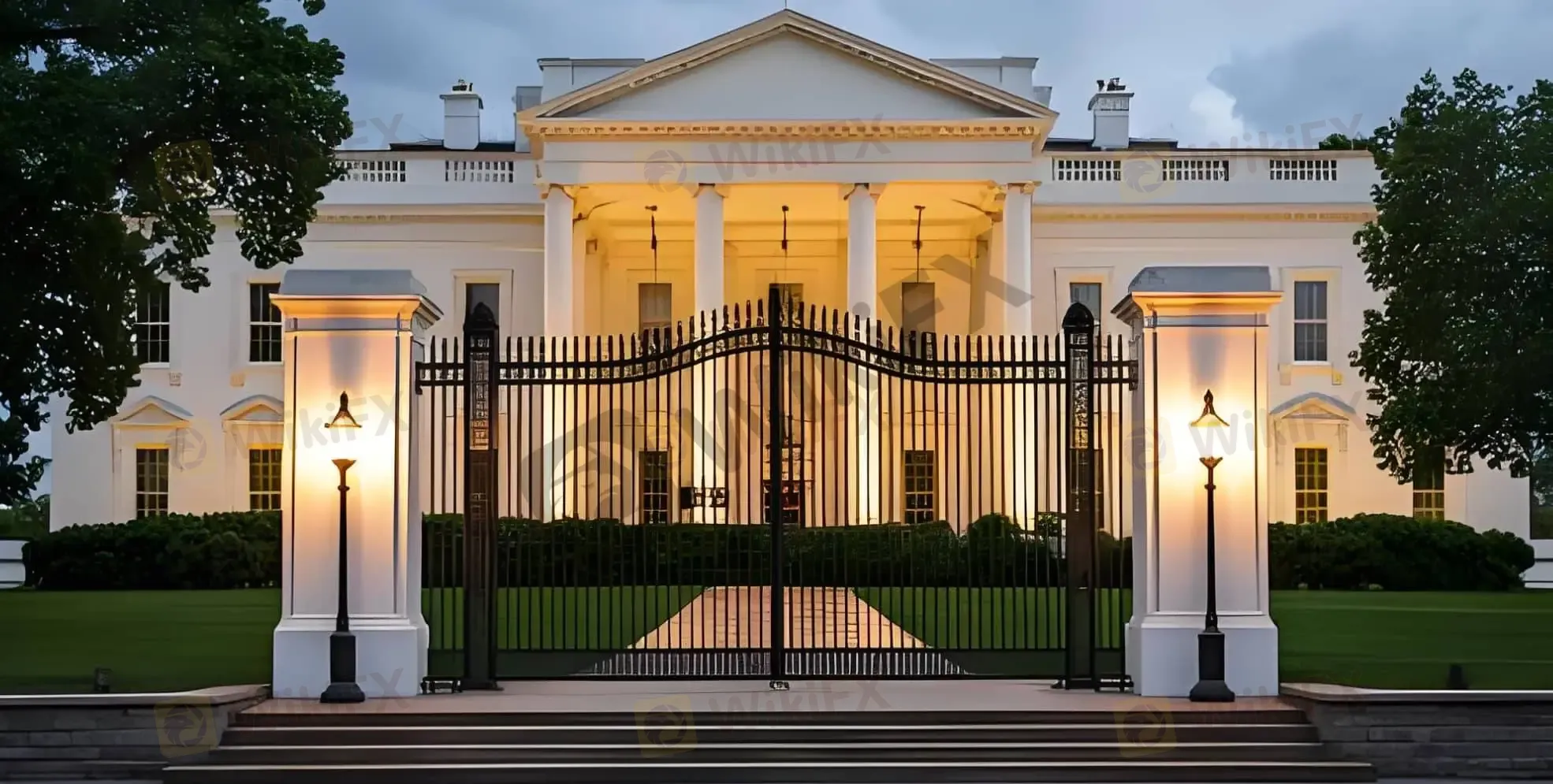
The U.S. House of Representatives has been drawn into a new round of political tug-of-war over immigration enforcement, a standoff that not only amplifies partisan divisions but also raises the risk that an already initiated partial government shutdown could be prolonged. The flashpoint lies in President Trumps recent intensification of immigration raids. The methods and scale of their implementation have triggered strong backlash within Congress, quickly transforming what had been a discussion centered on fiscal arrangements into a confrontation over institutions and values.
A temporary funding measure that has already passed the Senate emerged from negotiations between President Trump and Democratic leader Chuck Schumer. The proposal would fund most federal agencies through September 30, while extending funding for the Department of Homeland Security only until mid-February. The key point of contention is that, while awaiting further negotiations over enforcement policy, the plan continues to provide funding support for the current immigration raid operations.
Both progressive Democrats and hardline conservatives within the Republican Party have raised objections to the proposal from different directions. As a result, what was initially seen as a “technical, short-term” weekend shutdown now carries the risk of evolving into a more prolonged political impasse. Under the current timeline, the House Rules Committee is expected to conduct procedural votes first, but whether legislation can ultimately be completed within the anticipated timeframe remains highly uncertain.
If the shutdown persists, spillover effects are likely to emerge. Closely watched data releases, including the Labor Departments employment report, could be delayed due to constrained administrative operations; the tax filing season that has just begun may also face system and staffing bottlenecks. Over time, delayed payments to government contractors, backlogs in public services, and unpaid furloughs for non-essential workers would gradually amplify economic and social friction costs.
Politically, Democrats place greater emphasis on the social backlash triggered by enforcement practices themselves. They argue that recent raids in some cities—carried out by masked, armed officers—have inflamed public sentiment and raised concerns about potentially fatal consequences, prompting calls for clearer constraints on enforcement behavior. By contrast, conservative Republicans worry that any concessions on this issue would be seen as a retreat from the core campaign promise of a tough immigration stance championed by Trump.
Progressive Democrats have made clear that they will not support even short-term funding for the Department of Homeland Security unless Trump agrees to impose substantive new limits on immigration raids. Speaker Johnson has sought to break the deadlock by courting moderates from both parties, focusing on underscoring the importance of defense spending and correcting the impact of efficiency initiatives previously led by Elon Musk that reduced funding for scientific research. In public remarks, he has also signaled openness to discussing the use of body cameras and adjustments to raid tactics, but he remains firmly reserved on key issues such as requiring judicial warrants or mandating public identification for enforcement officers, citing non-negligible security risks.
From FXTRADINGs perspective, this political standoff over immigration enforcement and fiscal funding is unlikely, in the near term, to directly alter U.S. macroeconomic fundamentals. However, its disruptive impact on market sentiment and risk pricing should not be underestimated. If the shutdown is prolonged and the release of key economic data is impeded, concerns over policy continuity and governance efficiency in the United States may intensify, influencing the pace of dollar volatility, the structure of U.S. Treasury yields, and preferences for safe-haven assets. For international markets, political uncertainty is more likely to manifest through disruptions to timing and expectations rather than a clear shift toward a single directional trend.
Disclaimer:
The views in this article only represent the author's personal views, and do not constitute investment advice on this platform. This platform does not guarantee the accuracy, completeness and timeliness of the information in the article, and will not be liable for any loss caused by the use of or reliance on the information in the article.
WikiFX Broker
Latest News
NVIDIA Faces Growth Limits: The Challenge of the Law of Large Numbers
 WikiFX
Moneta Markets Regulatory Status: A Complete Guide to Its Licenses and Company Structure
WikiFXBinomo Review: Safety, Regulation & Forex Trading Details
WikiFXMONETA MARKETS Legitimacy Check: Is This a Fake Broker or a Legitimate Trading Partner?
WikiFXM4Markets Review 2026: A Simple Guide to Its Rules, Costs, and Customer Problems
WikiFXMTRADING Legitimacy Check: Is MTRADING legit or Fake Trading Partner?
WikiFXIs Kyowa Securities Safe? Unpacking Recent Alerts
WikiFXIs Your Money Safe with Prime OTP? Unpaid Withdrawals and Regulatory Red Flags You Need to Know
WikiFXElizabeth Warren demands answers on costs, economic impact of 'illegal and reckless war'
WikiFXZacks Trade Exposure: Examining Account Opening Glitches and Withdrawal Issues
WikiFXCurrency Calculator
USD

CNY
Current Rate:0
Amount
USD
Available
CNY
Calculate 