Abstract:After detecting major compliance failures, ASIC secures refunds for thousands of CFD traders and forces changes across the brokerage industry.
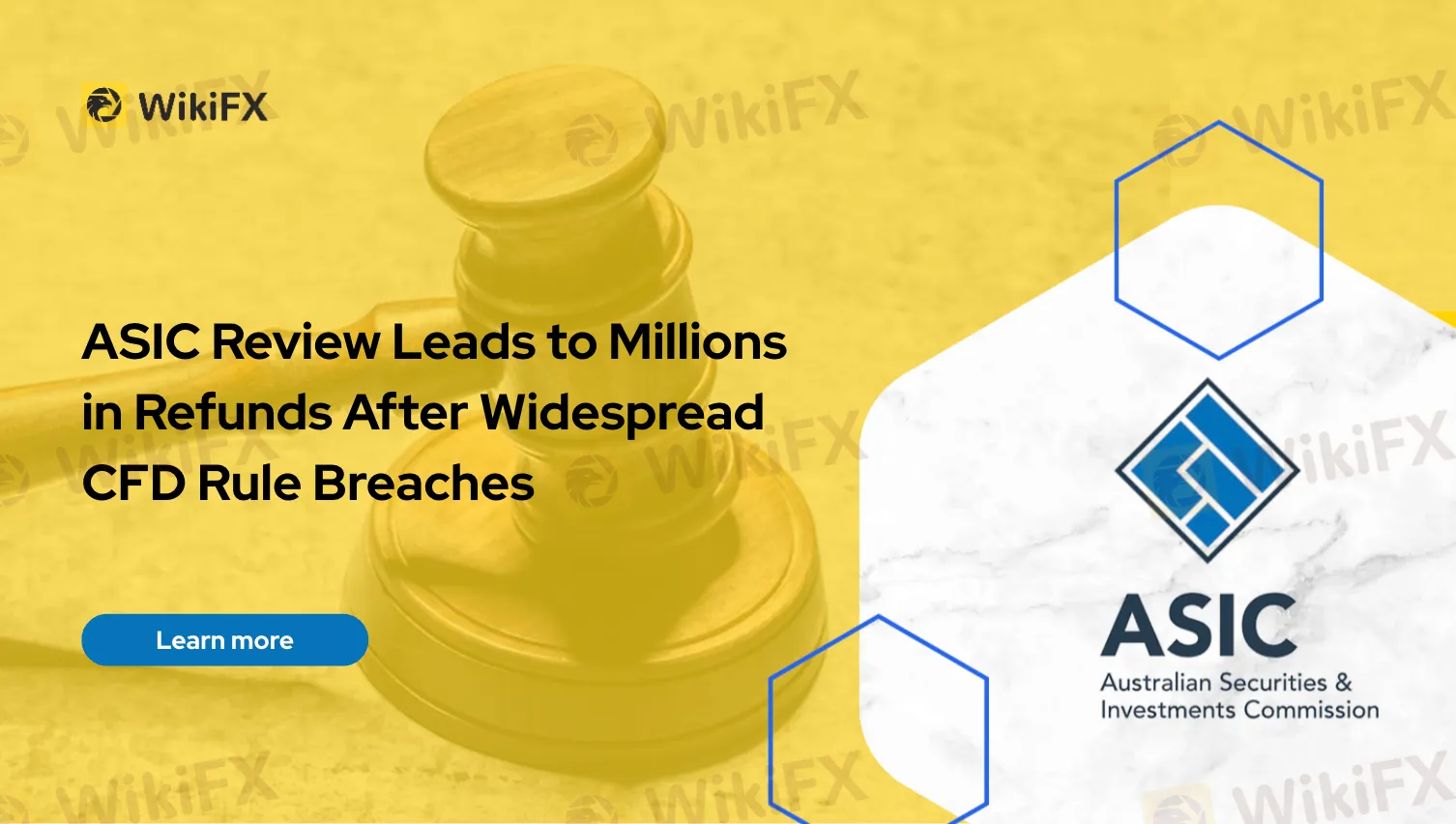
Australia‘s financial regulator has confirmed that tens of thousands of retail traders have received refunds following a broad compliance review of the country’s forex and CFD sector. The Australian Securities and Investments Commission (ASIC) said the intervention resulted in approximately AU$40 million being returned to more than 38,000 clients.
The refunds followed a sector-wide investigation into how CFD products were being marketed and distributed to retail investors. ASIC found that a large proportion of licensed brokers failed to meet key regulatory obligations designed to protect everyday traders.
 Contents
Incentives That Undermined Leverage Limits
One of the main issues identified during the review involved so-called “margin discounts” offered to retail clients. According to ASIC, these incentives effectively weakened leverage restrictions that are meant to limit potential losses for non-professional traders.
Regulators stated that these practices breached Australias product intervention rules for CFDs, which were introduced to curb excessive risk-taking and reduce harm to retail investors. In addition to incentive programs, ASIC also found shortcomings in how brokers defined their target="_blank" kwlink="6384064000816950219725">target markets and assessed whether CFDs were appropriate for individual clients.
Heavy Losses Across the Retail Trading Market
The compliance action was triggered by troubling industry statistics. ASIC reported that in 2024 alone, around 68% of retail forex and CFD traders in Australia ended the year with losses. Total client losses exceeded AU$450 million, with roughly AU$73 million paid in trading fees and commissions.
ASIC Commissioner Simone Constant noted that CFDs remain among the most complex and risky products available to retail investors. Even in cases where trades are profitable, she said, transaction costs can quickly erase gains.
Enforcement Without Naming Individual Firms
While the regulator did not publicly identify which brokers issued refunds, it confirmed that several well-known firms were required to make operational changes after receiving temporary stop orders during the review process. These orders were lifted only after the companies adjusted their product design, disclosure practices, and client suitability assessments.
ASIC reviewed more than 50 licensed CFD providers as part of the operation, making it one of the most extensive regulatory checks conducted on the sector in recent years.
Industry-Wide Changes Following Regulatory Pressure
Beyond refunds, ASIC said the enforcement effort led to significant changes across the industry. Dozens of brokers revised how they define suitable target customers, updated website risk disclosures, and improved onboarding questionnaires used to assess trader experience and financial capacity.
Many firms also introduced new systems to monitor trading behavior and strengthened reporting processes required under derivatives transaction rules. ASIC added that the number of regulatory reports submitted by brokers increased sharply following the review, suggesting improved compliance awareness.
Ongoing Oversight Still Needed
Despite the progress, ASIC stressed that regulatory supervision of the CFD market remains necessary. Commissioner Constant emphasized that firms must continue refining compliance systems and monitoring sales practices, particularly when marketing complex leveraged products to retail clients.
For investors, the regulator reiterated the importance of understanding product risks and being cautious about trading instruments that can amplify both gains and losses. ASIC noted that while enforcement actions can correct misconduct after it occurs, preventing harm in the first place remains the priority.
About WikiFX
WikiFX is a global broker information platform focused on regulatory verification, risk alerts, and data-based broker profiling. By aggregating licensing records, regulatory disclosures, and user-submitted reports, WikiFX helps traders better understand potential risks before engaging with online trading platforms and leveraged financial products.