

Global Broker Regulation Inquiry App
About WikiFX
English
简体中文
繁體中文
English
Pусский
日本語
ภาษาไทย
Tiếng Việt
Bahasa Indonesia
Español
हिन्दी
Filippiiniläinen
Français
Deutsch
Português
Türkçe
한국어
العربية
اردو
Geopolitical Risk Returns: Oil Spikes as US foreign Policy Shifts to "Maximum Pressure"
Abstract:Oil prices spiked 3% after Trump canceled talks with Iran, signaling a return to aggressive US foreign policy that now includes tensions over Greenland and Venezuela.
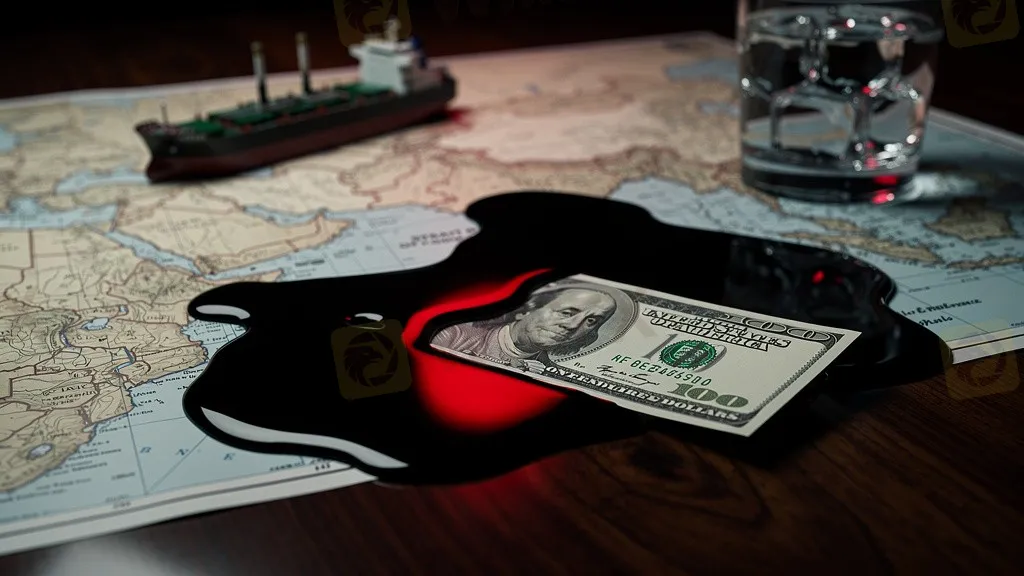
DUBAI/HOUSTON — Global markets were jolted back into risk-off mode on Tuesday after President Trump abruptly canceled planned diplomatic talks with Iran, citing lack of progress and threatening “tough options.” The diplomatic breakdown sent WTI Crude prices surging over 3% to breach $61.00 per barrel, as traders priced in renewed risks to Strait of Hormuz supplies.
This escalation with Tehran is part of a broader pattern of assertive US foreign policy that is redrawing the geopolitical map in early 2026.
Data Snapshot
- WTI Crude: Surged over 3%
- Resistance Breach: $61.00 per barrel
- Tariff Risk: 25% threatened on trading partners
- Timeline: Early 2026
Global Flashpoints
- Iran: Following the cancellation of talks, Iranian military officials warned that US bases in the region are “legitimate targets,” heightening fears of a direct confrontation.
- Venezuela: Tensions in South America remain at a boiling point. Following the reported detention of Nicolas Maduro, the US is now moving to seize oil tankers via civil forfeiture lawsuits.
- Greenland: A diplomatic rift with Europe is widening over US intentions to “acquire” Greenland. This has drawn sharp rebukes from Denmark and the EU.
Market Impact
The return of the “Geopolitical Risk Premium” is evident across asset classes. Beyond the rally in crude oil, defense stocks and safe-haven assets are seeing inflows. However, the simultaneous assertive stances on multiple fronts—Arctic sovereignty, Middle East containment, and South American regime change—are raising concerns about global supply chain fragmentation.
“The market is waking up to a reality where US foreign policy is becoming a primary driver of commodity volatility,” noted a chief commodity strategist. With the administration threatening 25% tariffs on Iran's trading partners, the economic fallout could extend well beyond the energy sector.
Disclaimer:
The views in this article only represent the author's personal views, and do not constitute investment advice on this platform. This platform does not guarantee the accuracy, completeness and timeliness of the information in the article, and will not be liable for any loss caused by the use of or reliance on the information in the article.
WikiFX Broker
Latest News
Malaysia’s Pension Fund (KWAP) Hit by eFishery Fraud Scandal with RM163 Million at Risk
 WikiFX
EMAR MARKETS Review 2026: FSCA Regulation, Withdrawal Complaints, and Account Access Risks
WikiFXFacing a 20% Floating Loss: How Beginners Can Prevent a Margin Call
WikiFXInstaForex Review 2026: Is This Forex Broker Safe?
WikiFXSandStoneFX Review 2026: Is This Forex Broker Safe?
WikiFXFake Investment Scam and Human Trafficking Network Busted with 109 Arrested
WikiFXForex Traders With Day Jobs: The PERKESO Deadline You Cannot Ignore
WikiFXMaxpro365 Review 2026: Where Is My $23,000? We Investigated User Allegations About Missing Funds
WikiFXHow Trading Costs Quietly Drain Your Account: Spreads, Swaps, and Pip Values
WikiFXWhy MetaTrader 4 Remains the Top Choice for Testing Automated Trading Robots
WikiFX