

Global Broker Regulation Inquiry App
WikiFX
English
简体中文
繁體中文
English
Pусский
日本語
ภาษาไทย
Tiếng Việt
Bahasa Indonesia
Español
हिन्दी
Filippiiniläinen
Français
Deutsch
Português
Türkçe
한국어
العربية
OnsaFX FinCEN Registration: Why It Matters for AML, Transparency, and Global Trust
Abstract:OnsaFX says its FinCEN registration marks a key step in strengthening AML controls, transaction monitoring, and cross-border credibility ,while clarifying that registration alone is not authorization
OnsaFX says its FinCEN registration marks a key step in strengthening AML controls, transaction monitoring, and cross-border credibility ,while clarifying that registration alone is not authorization to offer U.S. retail forex services.
What is FinCEN—and why do markets care?
FinCEN (Financial Crimes Enforcement Network) is a bureau of the U.S. Department of the Treasury focused on protecting the financial system from illicit activity, including money laundering and terrorist financing. Its work relies heavily on financial intelligence and reporting frameworks that support enforcement and national security priorities.
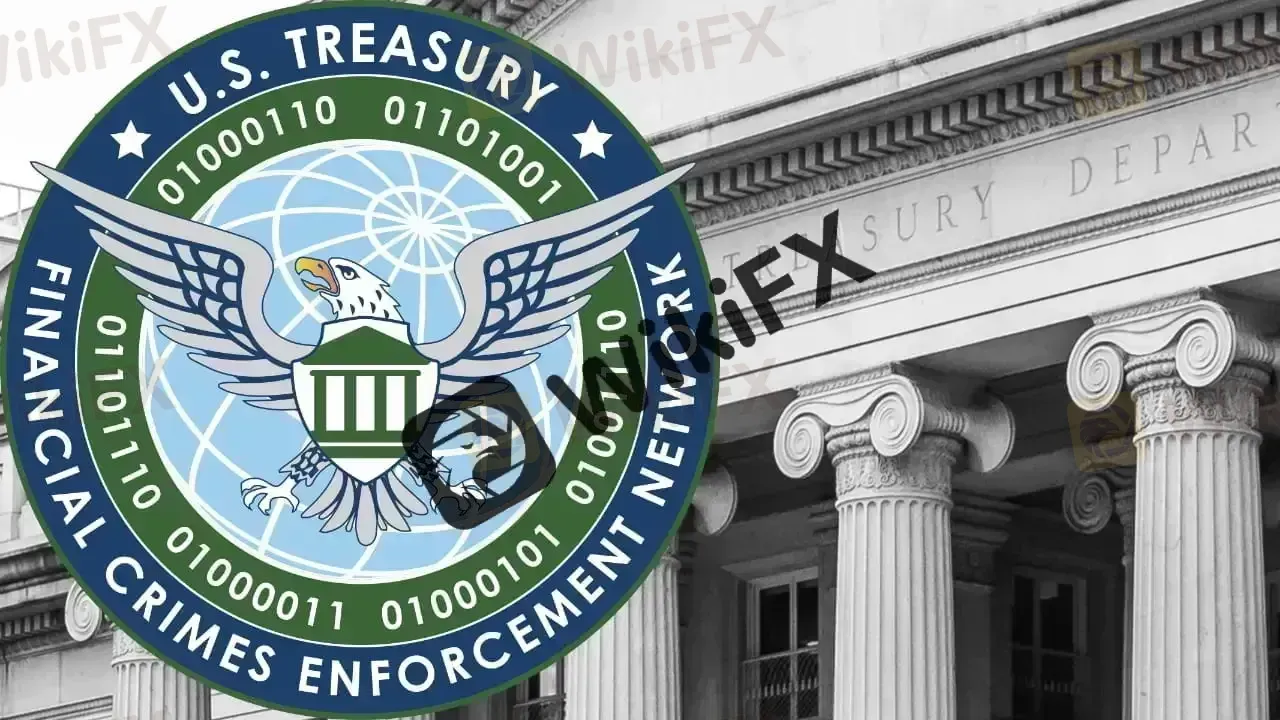
For global financial firms, “FinCEN” is often associated with strong expectations around anti-money laundering (AML) governance, customer due diligence, and suspicious activity reporting standards aligned with the U.S. Bank Secrecy Act (BSA) ecosystem.
FinCEN registration (MSB): what it signals—and what it doesn't
OnsaFX states it is registered with FinCEN as a Money Services Business (MSB). In practical terms, MSB registration is commonly viewed as a signal that an organization is set up to maintain compliance systems for funds handling and required reporting, rather than a “marketing badge.”
It's also important to be precise: OnsaFX explicitly notes that FinCEN registration does not grant the right to provide U.S. retail forex services directly in the U.S. market. Instead, it reflects a compliance posture around regulated money-services activities and associated obligations.
Why this matters for global compliance and client confidence
According to OnsaFX, the FinCEN milestone supports a broader compliance narrative: stronger internal controls, transparent policies, and risk-management frameworks designed to meet U.S.-level expectations.
From a market perspective, that generally translates into a few concrete themes:
Stronger AML & monitoring discipline: Effective AML programs typically include customer verification, transaction monitoring, and timely reporting of suspicious activity where required.
Better alignment for cross-border flows: For firms handling significant international transactions, standardization around governance and auditability can reduce friction with banking, payments, and compliance partners.
Reputational trust and operational readiness: In a market where traders are increasingly sensitive to counterparty and jurisdictional risks, visible compliance steps can support long-term credibility.
What traders should take away
For traders and clients assessing any broker or financial service provider, the key is to separate:
Compliance infrastructure signals (governance, monitoring, reporting capability), from
Product permissions (what services can legally be offered in a specific jurisdiction).
OnsaFX positions its FinCEN registration as a meaningful step in its global compliance journey—supporting AML discipline, operational transparency, and partner confidence—while emphasizing the limits of what registration authorizes in the U.S. market.
Disclaimer: This article is for informational purposes only and does not constitute investment advice.
Disclaimer:
The views in this article only represent the author's personal views, and do not constitute investment advice on this platform. This platform does not guarantee the accuracy, completeness and timeliness of the information in the article, and will not be liable for any loss caused by the use of or reliance on the information in the article.
WikiFX Broker
Latest News
CAD Outlook: Historic Drop in Student Enrollment Signals Demographic Drag
 WikiFX
Fed’s Hidden Constraint: Why Monetary Tightening is Hitting Stability Limits
WikiFXGlobal FX: Yen Volatility Spikes as US-India Trade Defrosts
WikiFXCommodities Wrap: Oil Sinks on Geopolitical Optimism, Gold Defies Dollar Strength
WikiFXUSD/ZAR Analysis: Rand Tests 16.00 Resilience Amid Commodity Rebound
WikiFXWhite House-Backed Firm Secures Strategic Stake in Glencore’s DRC Assets
WikiFXNew Year, New Rewards | Year of the Horse Gifts Now 30% OFF
WikiFXSouth African Rand (ZAR) on Alert: DA Leadership Uncertainty Rattles Markets
WikiFXGold's Historic Volatility: Liquidation Crash Meets Geopolitical Deadlock
WikiFXTreasury Yields Surge as Refunding Expectations Dash; Warsh 'Hawk' Factor Looms
WikiFXCurrency Calculator
USD

CNY
Current Rate:0
Amount
USD
Available
CNY
Calculate 