Abstract:A 63-year-old retired engineer from Johor has lost RM9.5 million in a cryptocurrency scam. He was misled by an online advertisement that promised high returns on Bitcoin investments in July 2024.
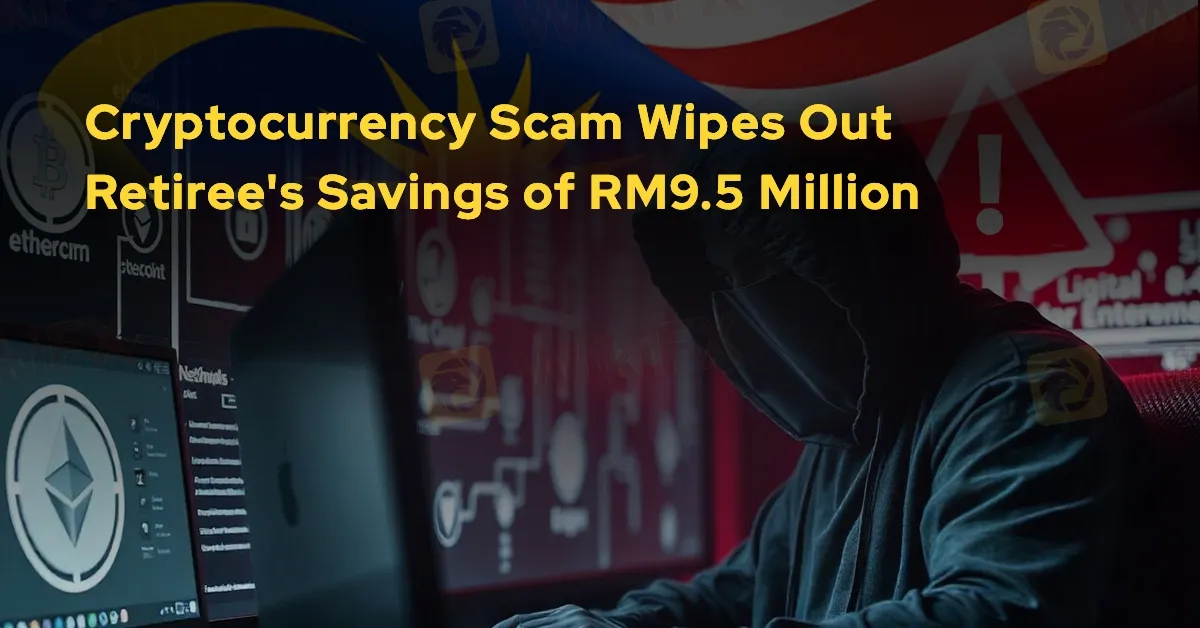
A 63-year-old retired engineer from Johor has lost RM9.5 million in a cryptocurrency scam. He was misled by an online advertisement that promised high returns on Bitcoin investments.
In July 2024, the man saw the advertisement and clicked on the link. He was directed to a WhatsApp group. Two individuals contacted him and explained how he could invest. They claimed he could earn up to 50 times his initial investment.
The man downloaded a recommended application. He registered an account and began monitoring his investments. Between October and December 2024, he made 29 separate transactions. He transferred money to 11 different bank accounts provided by the fraudsters.
 WikiFX graphic (3).png" title="WikiFX graphic (3).png">
At first, he was told his investment had earned a profit of RM88 million. When he tried to withdraw the money, the scammers demanded RM800,000 as a processing fee. This made him realise he had been cheated.
The Johor Police Chief, Datuk M. Kumar, said the case is under investigation. The police are handling it under Section 420 of the Penal Code. This section deals with cheating and can result in imprisonment of up to ten years, fines, or caning.

As incidents like this become increasingly common, tools such as WikiFX can play a vital role in helping individuals verify the legitimacy of brokers and financial platforms. WikiFX offers an extensive database of global broker profiles, regulatory status updates, and user reviews, enabling users to make informed decisions before committing to any financial investment. Its risk ratings and alerts for unlicensed or suspicious entities help investors easily spot red flags and avoid potential scams. By using tools like WikiFX to research a broker's background, individuals can safeguard their hard-earned savings and reduce the risk of falling victim to fraudulent schemes.