Abstract:The FCA fines and bans three SVS Securities executives for mishandling pension funds, risking customers' financial futures.
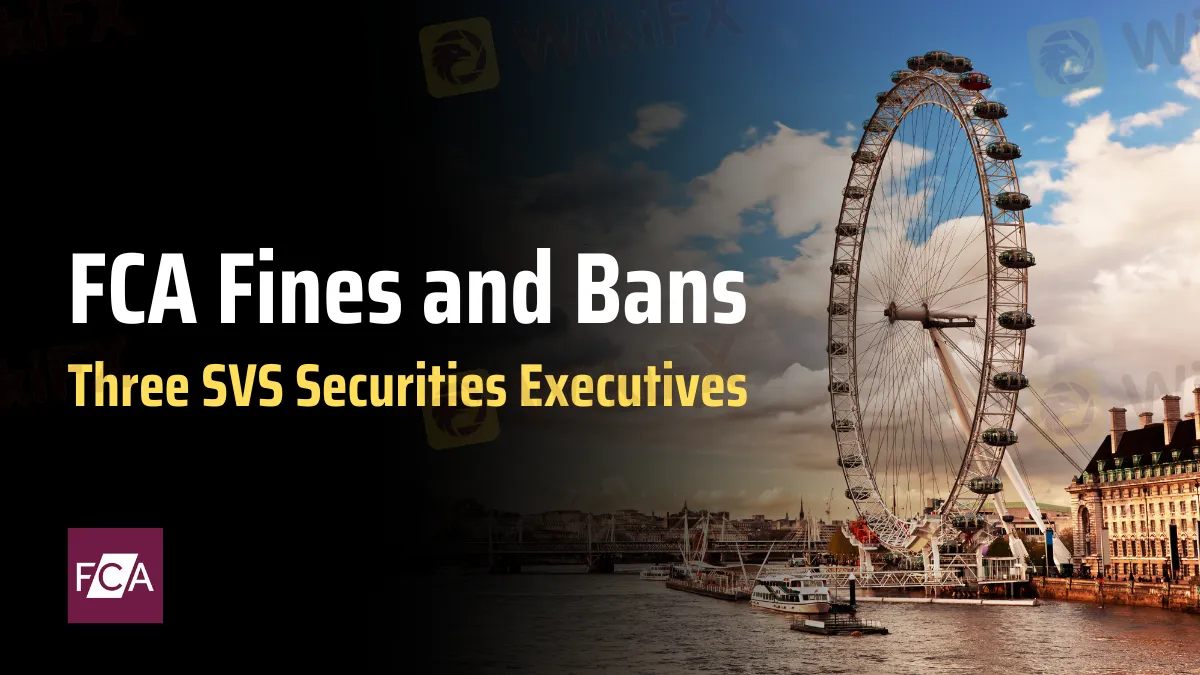
The Financial Conduct Authority (FCA) in the UK has imposed strong measures against three senior executives of SVS Securities after a lengthy investigation into the misuse of pension money. Demetrios Hadjigeorgiou, David Stephen, and Kulvir Virk have been penalized and prohibited for their involvement in a plan that deceived clients and endangered their financial well-being.
The investigation conducted by the FCA uncovered that SVS Securities allocated customers' pension funds to high-risk bonds, so breaching their obligation to prioritize the welfare of their consumers.
According to Therese Chambers, the Joint Executive Director of Enforcement and Market Oversight at the FCA, these three people, and SVS played a significant role in hiding the fact that clients' pension funds were being placed in bonds with a high level of risk. Customers had the right to rely on SVS to behave in their best interests, but instead, SVS consistently emphasized generating profits for itself and its colleagues.
Chambers highlighted the profound repercussions of the executives' acts, underscoring that such conduct may have transformative effects on customers, possibly jeopardizing their capacity to have a financially stable retirement.

The inquiry revealed that SVS Securities deliberately increased the amount of client money invested in high-risk, difficult-to-sell bonds and imposed concealed charges as high as 12%. This business strategy generated inherent conflicts of interest, giving precedence to the firm's revenue at the expense of its consumers' best interests. According to the FCA, a total of £69.1 million was invested by 879 consumers in these bonds, which have since defaulted. Consequently, clients are improbable to regain more than a little portion of their money.
Additional discoveries indicated that the executives displayed imprudent behavior by reducing the estimated worth of customers when they divested from fixed-income assets. By using this approach, SVS managed to keep 10% of the cash, resulting in a revenue of £359,800 at the cost of its clients.
Kulvir Virk, the ex-CEO and main owner of SVS Securities, was recognized as the mastermind behind the company's intricate corporate structure, which directed client cash into speculative bonds overseen by SVS directors and Virk's trusted allies. David Stephen, the individual responsible for overseeing compliance, was shown to have neglected his obligations in ensuring that SVS complied with regulatory regulations. Demetrios Hadjigeorgiou, the ex-finance director and subsequent CEO, faced criticism for his inadequate handling of conflicts of interest and failure to carry out thorough due diligence.
Due to their improper behavior, the Financial Conduct Authority (FCA) has levied significant penalties on the three executives. Kulvir Virk has been issued a punishment of £215,500, Demetrios Hadjigeorgiou has been fined £84,600, and David Stephen has been fined £52,100. In addition, Virk has received a permanent ban from working in the financial services industry, while Hadjigeorgiou and Stephen have been barred from holding positions in senior management.
The FCA's measures highlight the regulator's dedication to safeguarding customers and upholding the integrity of the financial services sector. The FCA seeks to deter future breaches of trust and ensure that corporations prioritize the well-being of their consumers by holding these people responsible.