Abstract:Discover the ultimate trading secret: the battle between fundamental and technical analysis unveiled.
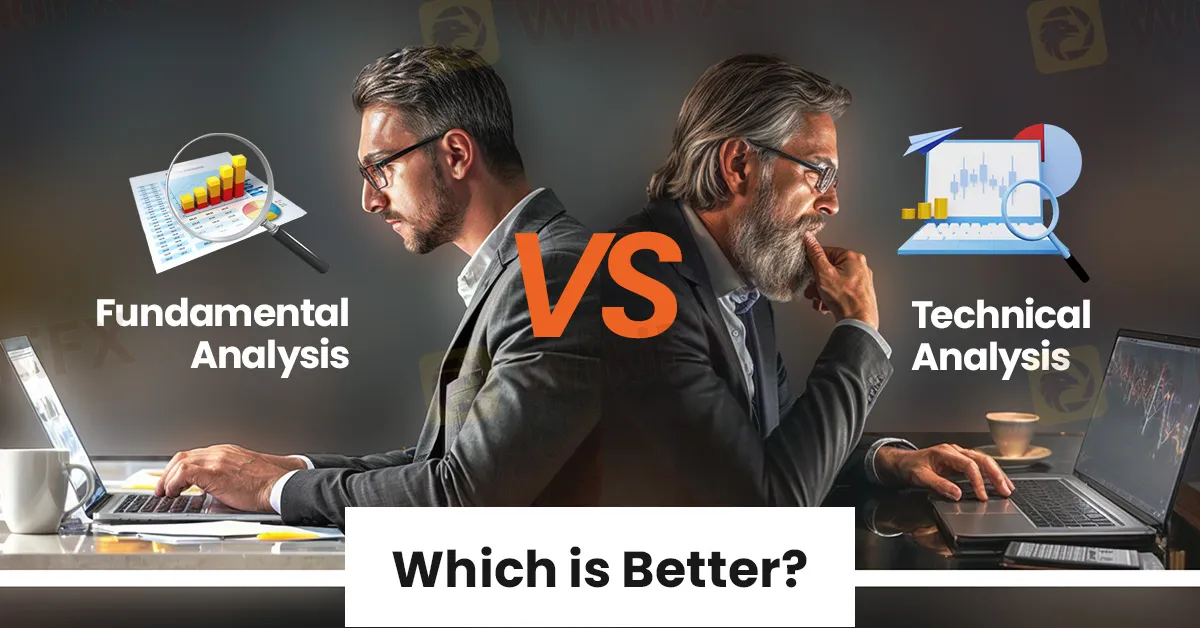
In the world of forex and cryptocurrency trading, there exists an ongoing debate between two major schools of thought: fundamental analysis and technical analysis. Both methodologies offer unique perspectives on market behaviour and can be powerful tools in the hands of skilled traders. However, the question remains: which approach is better?
Fundamental analysis revolves around the examination of economic, social, and political factors that may influence the value of a currency or cryptocurrency. This includes assessing factors such as interest rates, inflation, geopolitical events, and economic indicators like GDP growth and employment figures. Proponents of fundamental analysis argue that these fundamental factors ultimately drive long-term trends in the market.
On the other hand, technical analysis focuses on the study of historical price and volume data to identify patterns and trends. Technical analysts use tools such as charts, trendlines, and indicators like moving averages and relative strength index (RSI) to make trading decisions. They believe that past price movements can provide insights into future price action and market sentiment.
So, which approach is better?

The truth is, there is no one-size-fits-all answer. Both fundamental and technical analysis have their strengths and weaknesses, and successful traders often use a combination of both methodologies to inform their decisions.
Fundamental analysis is particularly useful for long-term investors who are interested in understanding the underlying value of an asset. For example, in the forex market, central bank policies and economic data releases can have a significant impact on currency valuations over time. Similarly, in the cryptocurrency market, developments such as regulatory changes or technological advancements can drive long-term price trends.
However, fundamental analysis may not always be timely in a fast-moving market. Economic data releases can be unpredictable, and their impact on the market may be delayed or muted by other factors. Moreover, fundamental analysis can sometimes be subjective, as different analysts may interpret the same data differently.
On the other hand, technical analysis excels in identifying short-term trading opportunities and timing market entries and exits. Technical indicators can help traders spot trends, reversals, and support and resistance levels, allowing them to make informed decisions based on price action. Technical analysis also tends to be more objective, as price data is readily available and can be analysed using standardized tools and techniques.
However, critics argue that technical analysis alone may not provide a complete picture of market dynamics. Price movements are influenced by a wide range of factors, and technical indicators can sometimes generate false signals or fail in volatile market conditions.
Ultimately, the effectiveness of fundamental versus technical analysis depends on the individual trader's preferences, time horizon, and risk tolerance. Some traders may prefer to focus exclusively on one approach, while others may use a combination of both. Whichever path you choose, it's essential to continuously educate yourself, adapt to changing market conditions, and practice proper risk management techniques. After all, successful trading is not about finding the “better” approach but rather about finding what works best for you.