


India Q1 FY27 GDP Growth Hits 7.8%: 3 Scenarios for INR and Gold
India's Q1 FY27 GDP grew 7.8%, beating a 7.4% poll and RBI's 7.0% projection. See three conditional scenarios for INR, rates and gold.
Original

简体中文
繁體中文
English
Pусский
日本語
ภาษาไทย
Tiếng Việt
Bahasa Indonesia
Español
हिन्दी
Filippiiniläinen
Français
Deutsch
Português
Türkçe
한국어
العربية
اردو




Abstract:Island Pay, a Bahamas-based fintech, launches a digital wallet, CiNKO, for easy crypto transfers in Latin America. The wallet aims to revolutionize money transfer methods in the region.
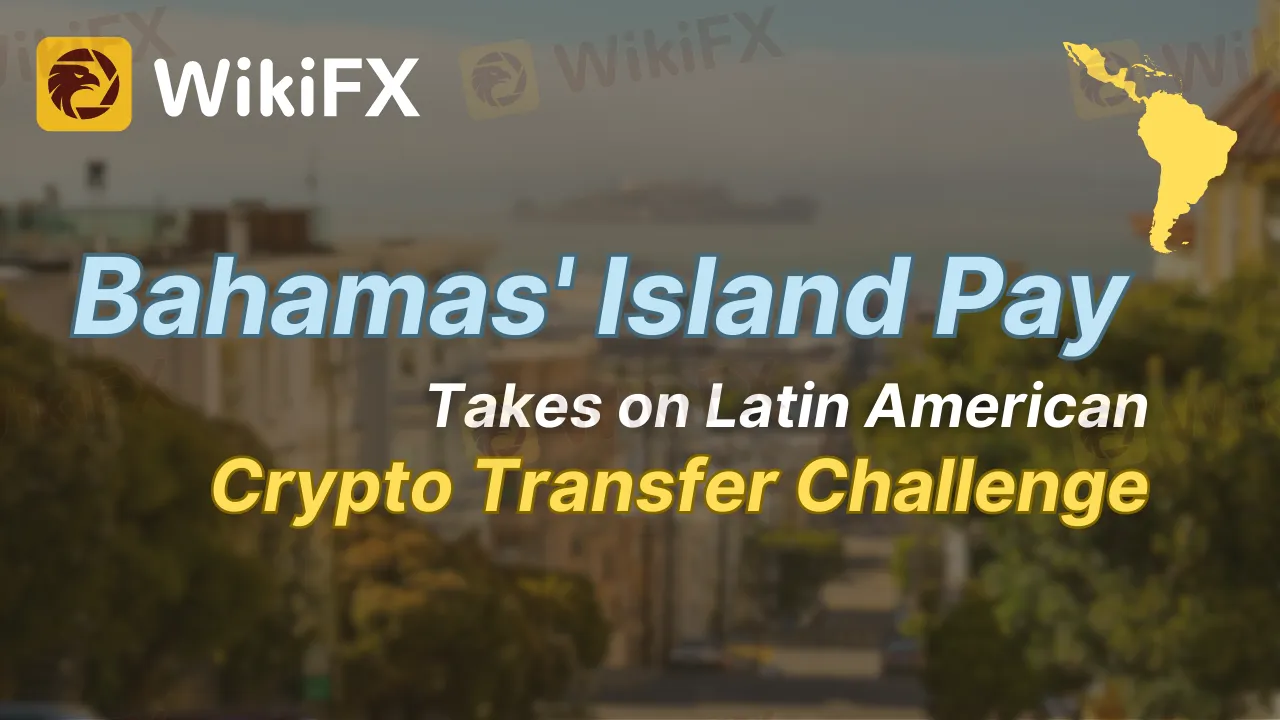
As we delve into the world of digital assets, cryptocurrency has long been seen as a potential panacea for money transfers in Latin America. The significance of this notion is magnified as migrants across the region send money home at record rates, despite the high costs and challenges associated with traditional remittance methods. Yet, even with the compelling promise of a financial solution, the reception of cryptocurrency in Latin America has been tepid, mainly due to the enduring skepticism over digital assets and the prevalent dominance of cash transactions.
Recently, Island Pay, a Bahamas-based fintech company, has made a bold entrance into this arena by launching a digital wallet in Latin America and the Caribbean. Named CiNKO, this new innovation utilizes Circles USDC stablecoin as its primary currency. Available in over 30 countries, CiNKO allows users to fund prepaid cards, transact with merchants, and make peer-to-peer payments, even without a bank account.
Richard Douglas, Island Pay's Chief Executive Officer, underlines the company's mission: “Our goal is to continuously look for ways to advance financial inclusion in the region and enhance financial experiences for both the unbanked and banked populations.”

However, Island Pay isn't alone in this journey to facilitate crypto transfers in Latin America. Several crypto wallets and cross-border payment systems already exist. Circle collaborates with traditional cash-transfer companies like MoneyGram International and Stellar, an open network for money storage and transfer. Additionally, Mexico-based Bitso has joined hands with Stellar to enable businesses in countries like Argentina, Colombia, and Mexico to transact in USDC. Meanwhile, Western Union has been escalating its digital payment platforms to stay competitive amid the growing influence of cryptocurrency.
The CiNKO wallet is part of a broader effort to integrate stablecoins and decentralized finance protocols in Latin America. According to Kash Razzaghi, Circles Chief Business Officer, the technology could potentially slash the cost of remittances by up to 80%. Unlike traditional financial intermediaries, which often take days for money transfers and charge an average cost of 6.2% to send $200, the CiNKO wallet aims to facilitate faster and cheaper transactions.

Yet, despite the benefits, challenges persist. Monica Talan, founder of CryptoConexion, explains that one of the main hurdles to crypto remittances is their ease of use. She points out that in most Latin American countries, there are limited places to spend Bitcoin or Ether.
“The biggest challenge is the off-ramp,” she says, “How do you turn tokens into your local currency, particularly if you dont have a bank account?”
Douglas, however, believes that USDC, which is US dollar-backed and trades one-to-one with the greenback, can mitigate the wild rate swings of traditional crypto. Additionally, with a growing ecosystem of merchants that accept USDC and the ability to transfer CiNKO's USDC balance onto a prepaid card, Douglas asserts that the cryptocurrency will be immediately usable.
Looking forward, CiNKO, which will be available for both Android and Apple iPhone users, plans to onboard 100,000 users — primarily in Central and South America — by next year. The company, which was one of the first to work with a central bank digital currency, the Bahamas Sand Dollar, remains focused on Latin America but has the capacity to expand this technology globally.
As cryptocurrency continues to evolve and more companies like Island Pay join the arena, the potential of digital assets in transforming the landscape of money transfers in Latin America seems ever more tangible. Time will tell if these efforts will help crypto become king in the region, bridging the financial gap for both the banked and unbanked populations.
To keep abreast of the latest news, install the WikiFX App on your mobile device. Click on this link to download the App:

Disclaimer:
The views in this article only represent the author's personal views, and do not constitute investment advice on this platform. This platform does not guarantee the accuracy, completeness and timeliness of the information in the article, and will not be liable for any loss caused by the use of or reliance on the information in the article.
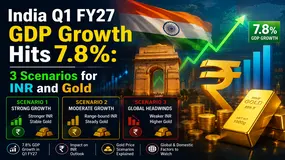
India's Q1 FY27 GDP grew 7.8%, beating a 7.4% poll and RBI's 7.0% projection. See three conditional scenarios for INR, rates and gold.
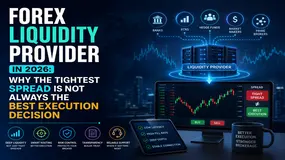
Choosing a forex liquidity provider is not a search for the lowest displayed spread or the longest provider list. It is a broker decision about pricing integrity, depth, routing, credit, reporting, incident response, and client communication. This 2026 guide explains how a forex LP, FX liquidity provider, or liquidity provider forex arrangement fits into a broker’s execution chain; what to test before onboarding; why a “best forex liquidity provider” claim cannot replace due diligence; and how to compare cost beyond commission. Use the execution-quality scorecard, provider questions, routing scenarios, and 90-day onboarding plan to assess whether a liquidity relationship can support your actual client mix, instruments, risk model, and jurisdiction. The goal is not to make a universal ranking. It is to build evidence that your broker can explain, supervise, reconcile, and recover its execution service when market conditions are difficult.
Crypto trading revenue weakened across major platforms in Q2 2026 as market activity slowed, while another crypto-focused platform expanded into forex and CFD products, highlighting a broader shift toward multi-asset trading.
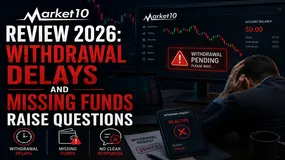
Has your trading experience with Market10, a South Africa-based brokerage entity, been miserable? Did you fail to receive funds in your trading account despite approvals on the Market10 login dashboard? Did the broker constantly push you into depositing while withholding your earlier funds? In this Market10 review, we have shed light on the growing allegations against the broker. Additionally, we have provided an overview of the broker’s regulatory status.
WikiFXWikiFXWikiFXWikiFXWikiFXWikiFXWikiFXWikiFXWikiFXWikiFX