WikiFX Trending Topics Analyst Initiative
Share Your Expertise on What’s Moving the Market.
简体中文
繁體中文
English
Pусский
日本語
ภาษาไทย
Tiếng Việt
Bahasa Indonesia
Español
हिन्दी
Filippiiniläinen
Français
Deutsch
Português
Türkçe
한국어
العربية
Abstract:Nigeria recorded a significant increase in its total non-oil export for 2022. The total non-oil export according to the NEPC data rose to $4.8 billion in 2022.
By: Damian Okonkwo
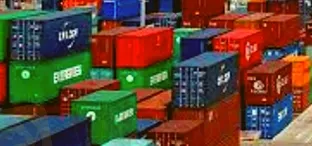
Nigeria's non-oil exports have risen to $4.8 billion in 2022, according to the National Export Promotion Council (NEPC). This marks a significant increase from the previous year, as the country continues to diversify its economy away from relying heavily on oil exports.
The NEPC attributed the growth in non-oil exports to the government's efforts to promote local industries and encourage the production of goods for export. The council also cited the improving business environment and the availability of funding for small and medium-sized enterprises as key factors in the increase.
Some of the major non-oil export products that contributed to the increase include agricultural products such as cocoa, rubber, and sesame seeds. Other significant exports include solid minerals, textiles and garments, and processed foods.
The NEPC also revealed that the country's non-oil exports have been growing at a steady pace over the past few years, with a significant increase recorded in 2019 and 2020. The council is optimistic that the trend will continue, as the government continues to implement policies that support the growth of non-oil exports.
The rise in non-oil exports is good news for Nigeria's economy, as it reduces the country's dependence on oil and diversifies its revenue streams. It also creates job opportunities for citizens and helps to improve the standard of living for the people.
Overall, the NEPC's report is an encouraging sign for Nigeria's economy, as it demonstrates the country's ability to grow and diversify its exports. It is also a call to action for the government and private sector to continue to invest in and support non-oil export sectors for sustainable economic growth.


Disclaimer:
The views in this article only represent the author's personal views, and do not constitute investment advice on this platform. This platform does not guarantee the accuracy, completeness and timeliness of the information in the article, and will not be liable for any loss caused by the use of or reliance on the information in the article.

Share Your Expertise on What’s Moving the Market.

Strong retail participation in 2026 is driving forex and CFD trading volumes higher, as investors expand beyond equities into macro-sensitive markets.

In a forex market where fundamental and technical factors impact the currency pair prices, volatility is expected. If the price volatility acts against the speculation made by traders, it can result in significant losses for them. This is where a stop-loss order comes to their rescue. It is one of the vital investment risk management tools that traders can use to limit potential downside as markets get volatile. Read on as we share its definition and several strategies you should consider to remain calm even as markets go crazy.

The forex market is a happening place with currency pairs getting traded almost non-stop for five days a week. Some currencies become stronger, some become weaker, and some remain neutral or rangebound. If you talk about the Indian National Rupee (INR), it has dipped sharply against major currencies globally over the past year. The USD/INR was valued at around 85-86 in Feb 2025. As we stand in Feb 2026, the value has dipped to over 90. The dip or rise, whatever the case may be, impacts our daily lives. It determines the price of an overseas holiday and imported goods, while influencing foreign investors’ perception of a country. The foreign exchange rates change constantly, sometimes multiple times a day, amid breaking news in the economic and political spheres globally. In this article, we have uncovered details on exchange rate fluctuations and key facts that every trader should know regarding these. Read on!