Abstract:Gold is a valuable commodity that is often used as a hedge against inflation and currency depreciation. Gold is seen as a safe haven asset in the FX market since it tends to keep its value and is regarded as a reliable store of wealth.
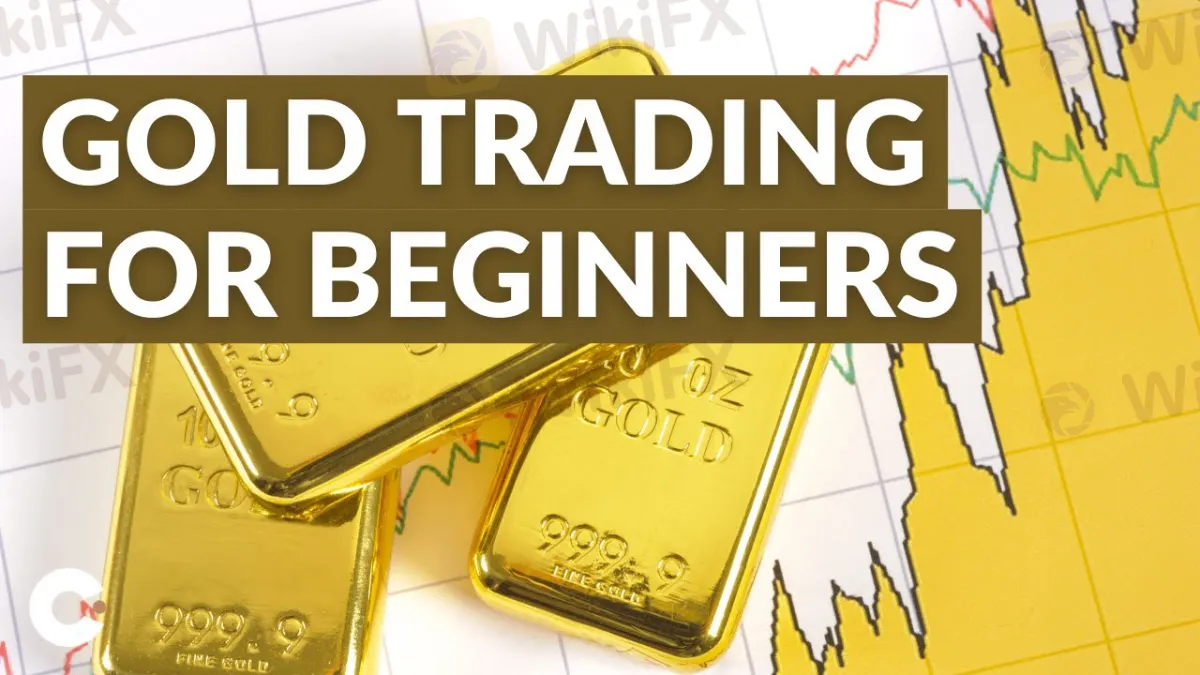
Gold is traded as a currency pair in the forex market, using the designation “XAU/USD.” This pair's value indicates the price of one troy ounce of gold in US dollars. When the XAU/USD pair rises in value, it indicates that the price of gold has increased in US dollar terms. When the value of the pair falls, it signifies that the price of gold in US dollars has declined.
Using a brokerage account, traders and investors may buy and sell gold on the FX market. They may also trade gold via futures contracts, options, and gold-tracking exchange-traded funds (ETFs).
Many variables, including interest rates, inflation predictions, geopolitical concerns, and general market mood, may impact the price of gold in the currency market. Gold is sometimes seen as a “safe haven” asset, which means that it performs well during times of market uncertainty or economic turbulence. As such, gold may be a valuable component of a well-diversified investment portfolio.

What should you look for while trading gold in the currency market?
When trading gold in the FX market, traders and investors should keep the following factors in mind:
Fundamental analysis: It is essential to evaluate economic and geopolitical issues that may influence gold demand. High levels of inflation, for example, or currency depreciation may enhance demand for gold as a hedge against these dangers.
Technical analysis: may also be used by traders to discover prospective trading opportunities in the gold market. This may involve chart analysis and the use of technical indicators to detect trends and patterns.
Risk management: Trading gold in the FX market, like trading in any other market, entails risk. To defend against possible losses, it is critical to have a sound risk management plan in place. Stop-loss orders and capping the amounts of individual transactions may be examples of this.
Diversification: While gold may be an essential component of a well-diversified financial portfolio, it is critical not to depend too much on any one asset. Diversification across asset classes is typically recommended to spread risk and enhance returns.
Brokerage: When trading gold in the forex market, it is important to choose a renowned and trustworthy brokerage business. Before creating an account, thoroughly examine the fees, commissions, and other terms and conditions.
What variables impact the price of gold?
The price of gold may be influenced by a number of variables, including:
Economic factors: Because gold is often seen as a hedge against inflation and currency depreciation, economic conditions may have a substantial influence on its price. Interest rates, inflation forecasts, and economic development may all have an impact on gold demand.
Geopolitical conflicts: may also have an impact on gold, as investors may see it as a safe haven asset during times of uncertainty. Events such as wars, political instability, and terrorist attacks, for example, might all possibly enhance demand for gold.
Supply and demand: The fundamental concepts of supply and demand apply to the gold market as well. Gold's price may rise if there is a high demand for it. If there is an excess of gold on the market, the price of gold may decline.
Market sentiment: The general mood of investors, or market sentiment, may also impact the price of gold. When investors are hopeful, they are more inclined to invest in risky assets and less likely to invest in safe-haven assets such as gold. In contrast, if investors are feeling unsure or risk-averse, they may seek gold as a safe haven.
Central bank policies: Central banks throughout the globe hold considerable quantities of gold in their reserves, and their purchasing and selling practices may impact the price of gold. For example, if a central bank announces that it would be selling huge amounts of gold, the price may fall.
What is the final word on trading gold in the FX market?
Forex gold trading may be a successful and diverse addition to an investing portfolio. However, it is crucial to educate yourself, employ risk management measures, and consider obtaining the opinion of a financial adviser before making any transactions, as it is with any other market.
To trade gold in the FX market, it is also essential to choose a recognized and trustworthy brokerage business. Before creating an account, thoroughly examine the fees, commissions, and other terms and conditions.
Follow for more about Forex Market news.
Download and install the WikiFX App from the download link on your mobile phone to stay updated on the latest news, even on the go.
Download link: https://www.wikifx.com/en/download.html